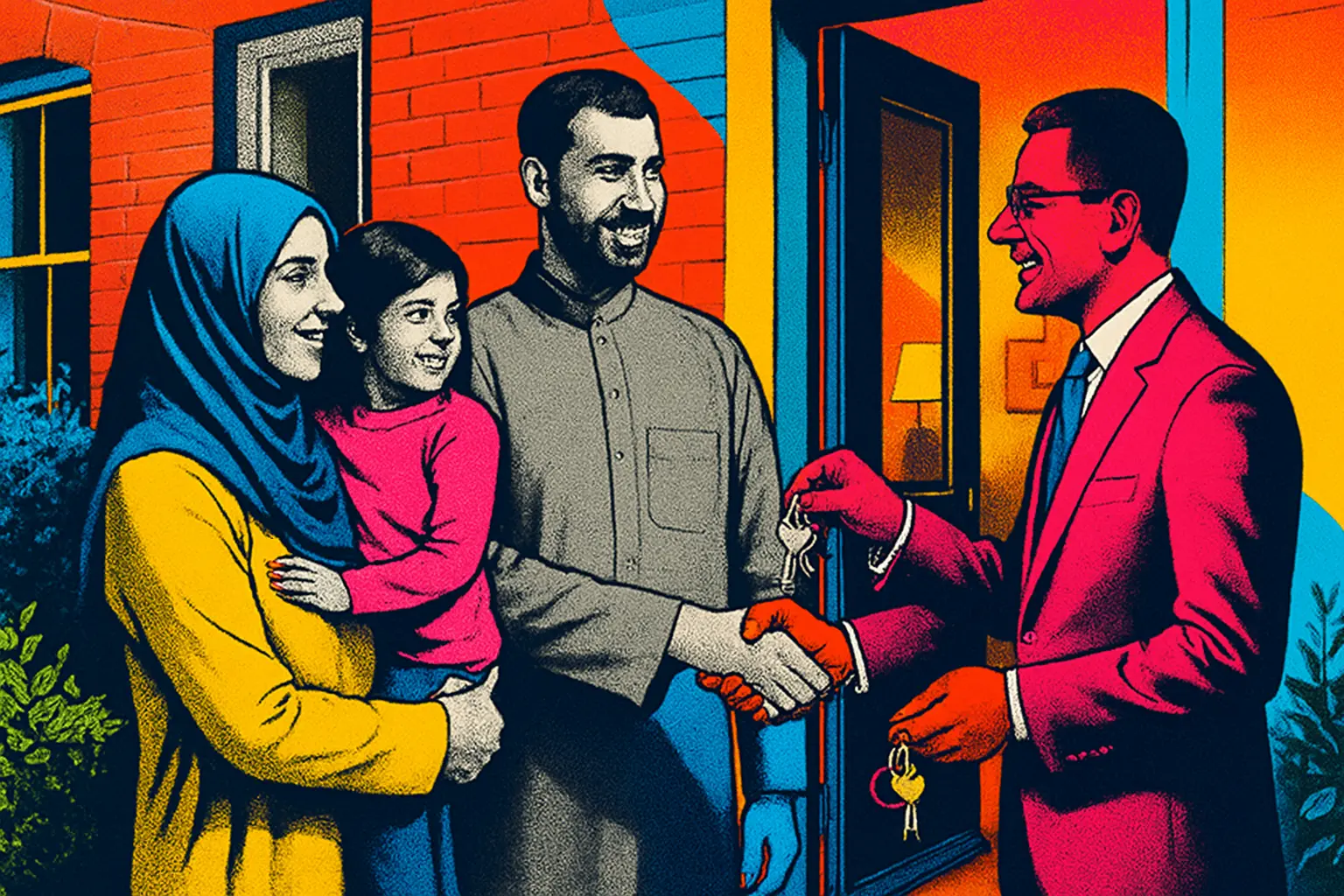
A simple guide to halal deposits in the UK
Finding the right deposit for Islamic home finance can feel confusing, especially when you see different figures from different providers. The truth is straightforward. Most halal options in the UK ask for a deposit around 20%, with ranges from 10% to 40% depending on your profile, the property, and the contract type. In 2025, many providers still sit around 20% to 25% as a practical norm. Some niche products can go lower, even towards 5% with certain diminishing Musharaka Home Purchase Plans, but a higher deposit often reduces overall costs because you pay less rent on the bank’s share.
Sharia-compliant products avoid interest and focus on partnership. With a diminishing Musharaka, you buy the home together and gradually purchase the bank’s share. With Ijara, you pay rent while you move towards ownership. Both are designed to remove interest and keep the structure ethical, but the deposit and monthly costs will vary. Strong credit, stable income, and a well-located property can help you secure a lower deposit or better terms.
The UK Islamic finance market is growing, supported by established regulation and tax parity. More banks and ethical finance providers now offer Home Purchase Plans and lease-to-own models. This is good news for first-time buyers who want a faith-aligned approach without sacrificing clarity.
The deposit you choose sets the tone for everything that follows - affordability, monthly payments, and how quickly you build full ownership.
If you have access to family support, some providers accept gifted deposits, even up to the full amount, as long as you can evidence the source. That flexibility can open the door for buyers who are otherwise ready to own but need help with the initial hurdle. The key is to understand your realistic range, gather the right documents, and compare like-for-like across providers.
Who this guidance will help
If you are a UK buyer seeking a Sharia-compliant path to home ownership, this guide is for you. It suits first-time buyers, movers, and those returning to the market after a break. It is also relevant if you value ethical finance principles and want to understand how deposits affect rental charges and total cost over time. You will find this especially helpful if you are weighing a 10%, 20%, or higher deposit and want calm, practical direction.
Your main halal deposit routes
- 5% to 10% deposit via certain diminishing Musharaka HPPs - lowest entry, higher monthly rent on the bank’s share.
- 10% minimum with flexible providers - instant equity share, often faster approvals.
- 20% to 25% standard range - common across UK halal options, balanced costs.
- 30% to 40% higher deposits - lower rent and stronger affordability profile.
- Gifted deposits accepted by some - up to 100% gift with proper evidence.
What it means for your money
| Aspect | What it means | Typical impact |
|---|---|---|
| Upfront deposit | Amount you pay at the start to secure the plan | 10% to 40% common. Some products from 5% for strong profiles. |
| Monthly outgoings | Rent on bank’s share plus purchase payments | Lower deposit increases rent portion. Higher deposit reduces monthly costs. |
| Total cost over time | Overall spend across the term | Larger deposits usually reduce total cost by shrinking the bank’s share sooner. |
| Flexibility | Ability to staircase or overpay | Many allow extra purchase payments that reduce rent quickly. Check any limits or fees. |
| Risk sharing | Partnership instead of interest | Provider and buyer share asset risk in line with Sharia principles. |
| Market conditions | Property value, location, rates environment | Strong locations and stable profiles can secure better terms and lower deposit expectations. |
Can you qualify - and what providers look for
Providers assess your income, existing commitments, credit behaviour, and the property itself. With halal products, the emphasis is on shared ownership and affordability rather than interest. A strong credit file and stable employment can help you access lower deposits or better rates of rent on the bank’s share. The property matters too. Homes in desirable areas with good resale prospects often attract stronger terms because the asset is easier to value and manage over time. If you have a family-backed deposit, some providers accept fully gifted funds with proof of origin and declarations from the giver. This can make a material difference for first-time buyers who are otherwise ready to proceed. If you prefer a brokered route, services like Kandoo can introduce you to regulated partners who compare multiple Sharia-compliant plans and explain the differences in plain English. That saves time and gives you a realistic picture of cost and timelines before you pay any fees.
The path from enquiry to keys
- Check your budget and agree a realistic deposit range.
- Gather ID, bank statements, payslips, and credit details.
- Request a Decision in Principle from a halal provider.
- Compare Musharaka and Ijara terms side by side.
- Confirm deposit source, including any gifted funds.
- Submit a full application and property details.
- Instruct solicitors with Sharia-compliant experience.
- Review contract, sign, and complete purchase.
Pros and trade-offs at a glance
| Factor | Pros | Cons |
|---|---|---|
| 5% to 10% deposits | Lower entry point, quicker to start | Higher rent on bank’s share, tighter criteria |
| 20% to 25% deposits | Balanced costs, widely available | Larger upfront savings needed |
| 30% to 40% deposits | Lowest monthly outgoings, faster equity | Highest upfront cash requirement |
| Gifted deposits | Boosts access, supports first-time buyers | Documentation and source of funds checks |
| Musharaka HPP | Gradual ownership, flexible staircasing | Costs vary with bank’s share over time |
| Ijara leasing | Clear rent structure, predictable payments | May require higher deposit in some cases |
Key checks before you commit
Take time to compare the whole picture, not just the deposit headline. Look at monthly rent on the bank’s share, any purchase payment schedules, and how overpayments are treated. Confirm whether there are fees for valuations, legal work, or early staircasing. If you are using a gifted deposit, ensure you can evidence the source with bank statements and a signed declaration. Ask providers how they assess properties and whether location could influence the deposit required. Finally, request a Decision in Principle early. It can clarify your budget before you make an offer and avoids surprises later in the process.
If halal deposit routes are not a fit
- Consider saving longer to reach 20% for lower monthly costs.
- Explore shared ownership with a registered provider.
- Look at guarantor or family-assisted options where available.
- Review ethical alternatives that meet your values and budget.
Frequently asked questions
Q: What is the typical deposit for Islamic home finance in the UK? A: Around 20% is common, with many providers operating between 20% and 25%. Some products accept 10%, and a few options can go as low as 5% for strong profiles.
Q: Do lower deposits increase my monthly payments? A: Usually yes. With a smaller deposit, the bank’s share is larger, so the rent portion of your payment is higher. A bigger deposit typically reduces monthly costs.
Q: Which is better for me, Musharaka or Ijara? A: It depends on your budget and preference. Musharaka suits those who want to staircase ownership over time. Ijara offers a lease-to-own path with rent until transfer. Compare both side by side.
Q: Can I use a gifted deposit? A: Many halal providers accept gifted deposits, sometimes up to 100%, provided the source is clear and you have the right declarations and statements.
Q: Are halal mortgages FCA regulated in the UK? A: Yes. Home Purchase Plans are regulated. UK rules and tax parity aim to keep Sharia-compliant products fair, clear, and consistent with other home finance routes.
Q: Will a higher deposit reduce my total cost over the term? A: Generally yes. By shrinking the bank’s share early, you lower rent payments and can reach full ownership sooner, subject to contract terms.
What to do next
If you want a calm, clear view of your options, Kandoo can connect you with regulated partners who compare Sharia-compliant plans and explain costs in plain English. Ask for a Decision in Principle, confirm your deposit source, and review the monthly impact before you move forward.
Important information
This guide is for general information only and is not financial advice. Eligibility and costs depend on your circumstances and provider criteria. Always review the Key Facts document and seek regulated advice before committing.