
Cutting the cost of plugging in
EVs can be cheap to run, but only if you charge smart. In Great Britain, most savings come from home charging at the right times. The current domestic price cap puts typical home electricity near the mid-20 pence per kWh range, which means a full charge for a family-sized 60 kWh battery often lands around the mid-teens in pounds. Go a step further with an EV off-peak tariff and those costs can fall dramatically, often to a handful of pounds for a full battery.
Public charging works well for top-ups and long trips, but prices vary widely. Slow and fast public points sit around the low-50 pence per kWh average, while rapid and ultra-rapid can climb into the mid to high-70 pence per kWh. That makes route planning and tariff choice the two biggest levers for your wallet. The good news is you can combine them: charge cheaply at home most of the time, then use price-aware planning for journeys.
No jargon, no surprises - just practical steps to keep your EV running costs comfortably below a petrol or diesel car.
Bottom line: prioritise home off-peak charging, avoid unnecessary rapid sessions, and grab free destination charging when it is available.
Who will benefit from this guide
If you live in England, Scotland, or Wales and either own an EV or are considering one, this guide is for you. It is especially helpful if you park off-street, can install a home charger, or can switch to an EV tariff. Regular motorway travellers will also find tips to avoid costly rapid rates, while city drivers can learn how to use free retail chargers to keep weekly costs down.
What really drives EV charging costs
Your cost per mile hinges on three factors: your electricity rate, charging speed, and when and where you plug in. Under the GB price cap, typical home electricity sits around 26 pence per kWh, putting a 60 kWh full charge roughly between £13 and £16. That usually works out at about 2 pence to 9 pence per mile depending on your car’s efficiency and how cheap your rate is. Public slow and fast chargers average around 52 to 53 pence per kWh, while rapid and ultra-rapid often come in at about 76 pence per kWh.
Off-peak EV tariffs transform the picture. Several UK suppliers offer night rates near 7 to 8 pence per kWh for a set window, which can drop a full 60 kWh charge to about a fiver. Pair this with scheduled charging via your car app or smart charger and you can consistently hit the cheapest hours. For frequent drivers, installing a home charger typically costs £800 to £1,200 and often pays back in one to two years thanks to annual savings of around the mid-hundreds versus public charging.
Finally, free destination chargers at supermarkets, gyms, and hotels are more common than many realise. They are slower, but regular top-ups while you shop can shave hundreds off yearly costs.
How to lock in the lowest rates
Start by checking whether you can switch to an EV-specific electricity tariff. If you have a smart meter, you are likely eligible. These tariffs offer cheap night-time windows around 7 to 8 pence per kWh, so set your car or charger to start and stop automatically during those hours. Most EVs and smart wallboxes support scheduled charging and can limit charge to, say, 80 percent for daily use, which protects the battery and reduces unnecessary kWh.
If you cannot install a home charger right now, use slower public chargers when you have time and avoid rapid sessions unless you need them. Before a long trip, plan your route in an app that shows prices in real time. You will often find slow or fast points that are 40 to 50 percent cheaper than motorway ultra-rapids. Keep an eye out for free 7 kW chargers at retailers and leisure sites. Even a 60 to 90 minute shop can add a useful top-up at no cost.
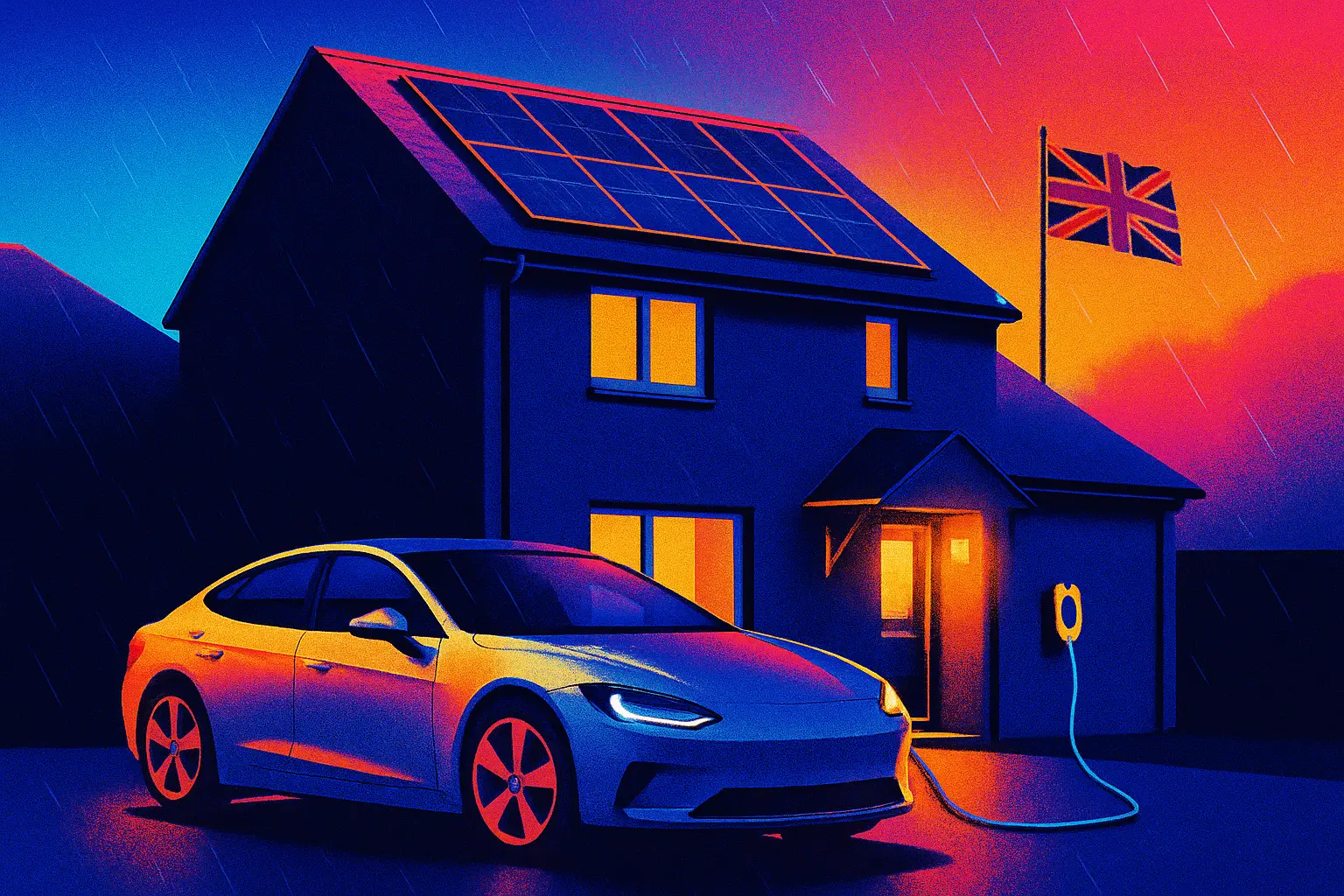
For homeowners, consider solar panels. Daytime charging on sunny days can be effectively free once panels are installed, and it compounds the savings from off-peak night charging for those with flexible routines.
Why these steps work for UK households
Electricity prices at home are capped for standard tariffs in Great Britain, which keeps your baseline rate predictable. Because most EV charging happens at home, switching to an off-peak EV tariff is the single biggest saving you can make. It drives per-mile costs well below petrol and diesel benchmarks and below most public charging prices. Even when you do use public chargers, choosing the right network and speed level can halve the cost of a session.
A home wallbox is a one-off cost that unlocks faster, safer charging and smart scheduling. With typical annual savings versus public charging approaching the high hundreds of pounds, installation often pays for itself quickly, especially if you drive 10,000 miles or more per year. Add in occasional free destination charging and, where possible, solar, and you are stacking multiple savings levers without compromising convenience.
The trade-offs at a glance
| Approach | Key benefits | Watch-outs | Typical cost per kWh | Best for |
|---|---|---|---|---|
| Home - standard tariff | Convenient, predictable, cheap vs public | Rates still higher than EV off-peak | ~26p | Most households |
| Home - EV off-peak tariff | Lowest cost, automated scheduling | Requires smart meter and eligibility | ~7-8p off-peak | Night charging, high mileage |
| Public slow/fast | Widely available, cheaper than rapid | May require longer dwell times | ~52-53p | Shopping, gym, workplaces |
| Rapid/ultra-rapid | Very quick top-ups on trips | Highest prices, peak demand fees | ~74-85p | Motorway travel only |
| Free destination chargers | Zero cost energy while you shop | Limited availability, time limits | £0 | Regular retail visits |
| Solar-assisted home charging | Effectively free daytime energy | Upfront panel cost, weather dependent | £0 when sunny | Homeowners with daytime flexibility |
Points to double-check before you plug in
Before installing a charger, confirm your fuse rating and whether you need a minor consumer unit upgrade to support 7 kW charging. Your installer should survey this and identify the safest cable route. If you rent or live in a flat, check eligibility for EV chargepoint grants and any building consents required. For tariffs, ensure your smart meter is set up for half-hourly settlement and that your supplier supports smart charging windows. Some tariffs have standing charges or export rules that affect the overall value if you also have solar. On public networks, watch for connection fees, parking restrictions, and overstay charges. Pricing can vary by time of day, location, and membership status, so enable price filters in your chosen app and keep an eye on session summaries.
Other ways to trim the bill
- Join a charging network membership that offers cheaper rates for a modest monthly fee.
- Enable in-car eco modes and maintain tyres to squeeze more miles from each kWh.
- Share workplace charging with colleagues and split costs fairly if your employer cannot provide it yet.
- Use preconditioning while still plugged in at home so cabin heating draws from the mains, not the battery.
- Combine errands to reduce cold-start inefficiency and maximise regenerative braking in town.
Frequently asked questions
How much does it cost to fully charge at home?
For a typical 60 kWh battery on a standard GB tariff, expect roughly £13 to £16. On an EV off-peak tariff at around 7 to 8 pence per kWh, closer to £5 to £6.
Is public charging always more expensive than home?
Usually, yes. Slow and fast public chargers average in the low-50 pence per kWh, while rapid points often sit around the mid to high-70 pence. Home off-peak is typically far cheaper.
Will a home charger pay for itself?
For many drivers, yes. With installation around £800 to £1,200 and annual savings versus public charging in the high hundreds, payback often lands within one to two years.
Are free supermarket chargers worth using?
If they are convenient to your routine, absolutely. They are slower but can add meaningful range while you shop, reducing your paid charging over a year.
How can I avoid expensive rapid charging on trips?
Plan with a charging app that shows up-to-date prices. Aim for slower but cheaper stops where time allows, and leave home with a high state of charge after an off-peak session.
How Switcha makes saving simpler
Switcha helps you cut EV running costs by matching you with electricity tariffs that suit your charging habits. If you charge overnight, we highlight suppliers with the cheapest off-peak windows and clear standing charges, so you know the true cost before you switch. We also surface bundle options, such as smart chargers paired with discounted energy rates, and we flag grant eligibility to reduce installation costs. For public charging, we guide you towards networks and memberships that align with your travel patterns, helping you avoid pricey rapid top-ups except when they genuinely save time.
We keep the process transparent and straightforward. You will see estimated costs per kWh, projected annual spend, and realistic savings versus your current setup. That way, you can make a confident, informed decision from your kitchen table without the sales fluff.
Important information
This guide provides general information for GB households and is not personal financial advice. Prices and tariffs change frequently. Always check current rates, eligibility, and terms with your supplier or installer before making decisions.