A simple path to lower energy bills
Smart meters are not a magic wand, but they are a reliable tool for cutting everyday energy costs when used well. In Great Britain, installation is free through your supplier and unit rates do not change just because you have one. The real wins come from two places: your own choices, guided by clear data on the In-Home Display or app, and the system benefits unlocked when your meter runs in smart mode. On average, households using their smart meter effectively cut electricity use by around 3% and gas by just over 2%. That is a steady reduction you can bank on month after month.
Activate smart mode and you tap into extra savings for the whole system, worth at least £44 a year at current price cap assumptions, with £23 on electricity and £21 on gas. If you also improve home efficiency toward EPC band C, annual savings can reach the high hundreds of pounds. Add a suitable smart tariff and the gains are even stronger for homes with flexible demand, especially if you own an electric vehicle or run a heat pump.
If you have been wary, it is understandable. The good news is that most users report using less energy after installation, not more. This guide walks through the what, how and why in plain English, so you can decide confidently.
Installation is free from your supplier and your unit rates do not increase just because you get a smart meter.
Smart mode plus small habits can unlock meaningful, low-risk savings.
Who benefits most
If you live in England, Scotland or Wales and want to bring bills down without major upfront spend, smart meters can help. They are especially handy if you budget carefully, use prepayment, drive an EV, or plan home upgrades like heat pumps or solar. Renters and homeowners alike can benefit.
What smart meters actually deliver
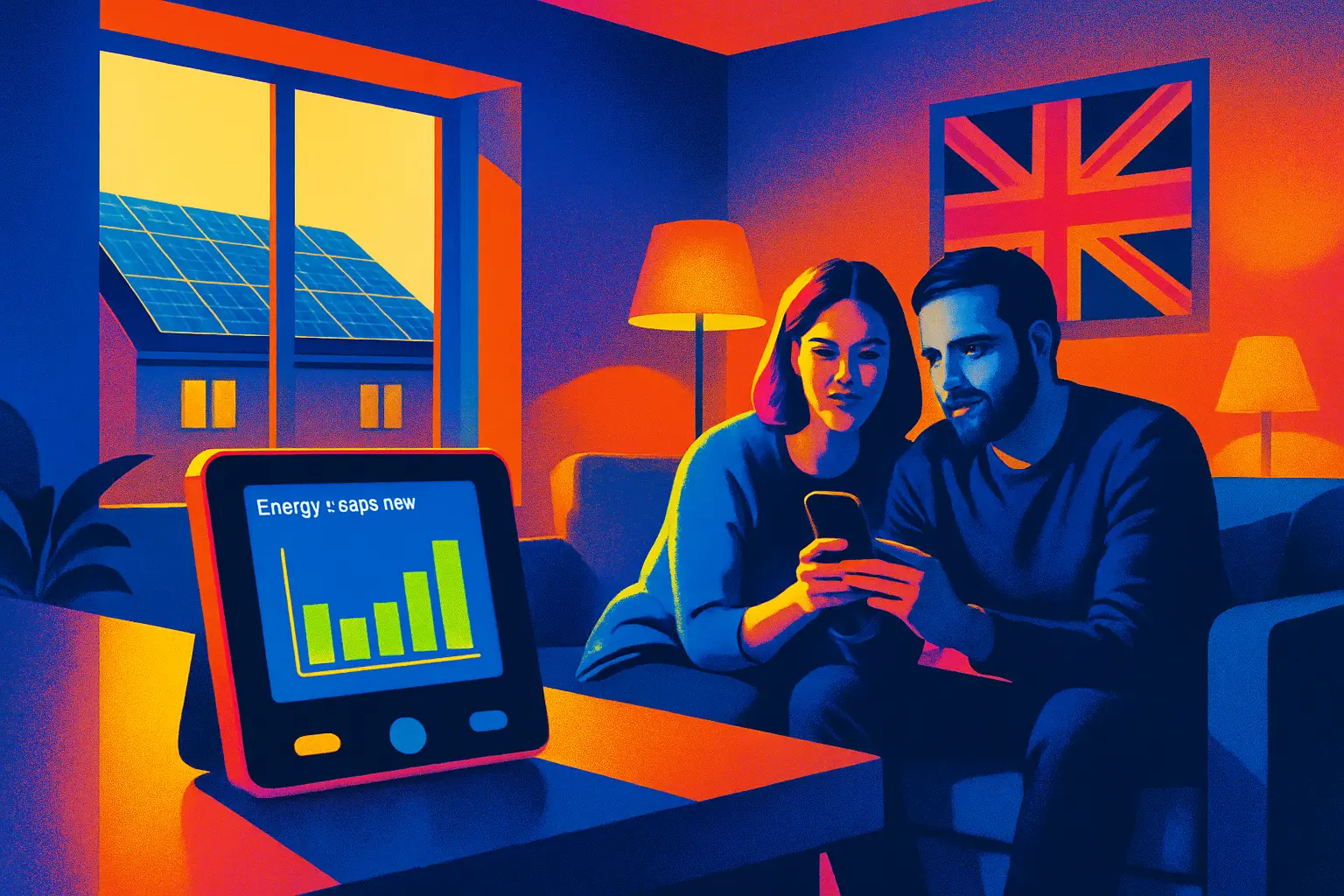
A smart meter records your electricity and gas usage and sends it securely to your supplier. You get an In-Home Display or app that shows real-time consumption in pounds and pence. That live view helps you spot waste, compare appliances and decide when to run energy-hungry tasks. Independent reviews show typical households shave around 3% off electricity and about 2.2% off gas when they regularly check their IHD and act on the insights.
Beyond your home, when your meter runs in smart mode it enables system efficiencies like better voltage management and demand flexibility. That translates into at least £44 a year in household-level bill reductions from system savings alone. Nationally, the rollout is projected to deliver a net £6 billion in benefits by 2034, including billions in direct bill savings.
Households see the biggest wins when they pair meters with smart tariffs or flexible habits. EV drivers, for example, can shift charging to cheaper off-peak windows and save up to £900 a year. Even without tech, most people use less energy once they can see what it costs in real time. In one UK survey, 86% of users said they reduced usage after getting a smart meter, while only a small minority saw bills rise.
How to turn features into savings
Start by booking your free installation with your supplier and confirm your meter will operate in smart mode from day one. If you have had a smart meter for a while, ask your supplier to reconnect it if it is not communicating, then check your IHD is paired. Next, set a weekly spend target on your IHD and glance at it when using high-draw appliances. Small actions like washing at lower temperatures, shorter showers and switching devices fully off can deliver the bulk of your 3% to 5% reduction.
If you own an EV, heat pump or home battery, choose a smart tariff that rewards off-peak use. Off-peak rates can be significantly lower, and structured charging schedules can lock in large savings. Prepayment users can benefit from remote top-ups, balance alerts and automatic application of support credits, reducing the risk of running out of credit. Consider combining meter insights with simple efficiency upgrades like draught-proofing or LED lighting and aim toward EPC band C for larger, lasting cuts.
Why it is worth doing now
Bills remain a major monthly expense for UK households, and smart meters help you control what you can. Real-time information changes behaviour in a way that lasts, which is why most users report cutting usage after installation. Running in smart mode also supports whole-system savings that flow back into household bills, with at least £44 a year available just from those efficiencies.
If you have electrified your home or plan to, smart tariffs amplify the benefits. EV drivers can save up to £900 a year by shifting charging to cheaper hours. Households with solar, batteries or heat pumps can stack additional gains from time-of-use pricing. There is also an environmental dividend: smart meters on the GB network helped avoid over a million tonnes of carbon emissions in a recent year, so your savings align with net zero goals.
In short, you are not paying extra for the meter, yet you unlock tools and tariffs that can make a meaningful difference.
Smart meters: strengths and trade-offs
| Pros | Cons |
|---|---|
| Free installation with no change to unit rates | Savings depend on your actions and tariff choice |
| Real-time data helps cut 3% electricity and 2% gas | Some older meters may lose smart functions after a supplier switch until reconnected |
| Access to smart tariffs and off-peak rates | Mobile or signal issues can affect connectivity |
| Prepay users get remote top-ups and balance alerts | IHDs can be misplaced or need re-pairing |
| System savings worth at least £44 a year in smart mode | Not all tariffs suit every household pattern |
Watchpoints before you book
Check coverage and compatibility with your supplier so the meter runs in smart mode from day one. If you switch suppliers later, your meter should remain smart, but older models may need a remote update or re-pairing. Place your IHD where you will actually see it, ideally the kitchen or hallway, and plug it in permanently so it keeps data flowing. If you have prepayment, confirm how to top up remotely and set low-balance alerts to avoid emergency rates. For households with EVs or heat pumps, model your usage across peak and off-peak hours before locking in a tariff. Finally, keep expectations grounded: most savings come from steady habit changes and sensible tariff choices, not from the meter alone.
Other ways to cut your energy spend
- Improve insulation and draught-proofing to move toward EPC band C.
- Switch to LEDs and efficient appliances with good energy labels.
- Use time-of-use tariffs with timers for washing and dishwashing.
- Adopt solar PV and consider a home battery to store off-peak power.
- Service your boiler and optimise heating controls and thermostatic valves.
- Compare suppliers and tariffs regularly to stay on competitive rates.
Common questions, answered
Q: Do smart meters increase my unit rates?
A: No. Installation is free and unit rates do not rise simply because you have a smart meter.
Q: How much could I realistically save?
A: Typical users see around 3% off electricity and just over 2% off gas. Smart mode adds at least £44 a year in system savings, and smart EV tariffs can save up to £900.
Q: Will my meter stay smart if I switch supplier?
A: In most cases, yes. Some older models may temporarily lose smart functions until they are updated or reconnected by the new supplier.
Q: What if I am on prepayment?
A: Smart prepay lets you top up remotely, track balances and receive support credits automatically, helping you avoid running out of credit.
Q: Is there an environmental benefit?
A: Yes. Smart meters have helped Britain avoid over a million tonnes of CO2 in a recent year by enabling more efficient energy use and system operation.
How Switcha makes this easier
At Switcha, we focus on clear, practical savings that work in the real world. We start by checking if your meter can run in smart mode and help you get reconnected if it is not communicating. Then we compare current smart tariffs across suppliers, highlighting off-peak options that fit your usage pattern, including EV-friendly plans. If you are on prepayment, we will point you to options with simple remote top-ups and clear low-balance alerts.
We also provide a plain-English action plan that links your IHD insights to specific steps, like changing thermostat schedules, shifting laundry, or setting EV charge windows. If you are upgrading your home, we will show how a move toward EPC band C stacks with smart mode savings, and when solar or a battery might make financial sense. No pushy upsells, just transparent guidance to help you keep more money in your pocket month after month.
Next steps: check your smart mode status, place your IHD where you will see it daily, and review smart tariffs that match your routine.
A quick word on advice
This guide is general information for GB households and is not personal financial advice. Energy prices and tariffs change frequently. Always check details with your supplier and consider independent advice before switching or investing in home upgrades.