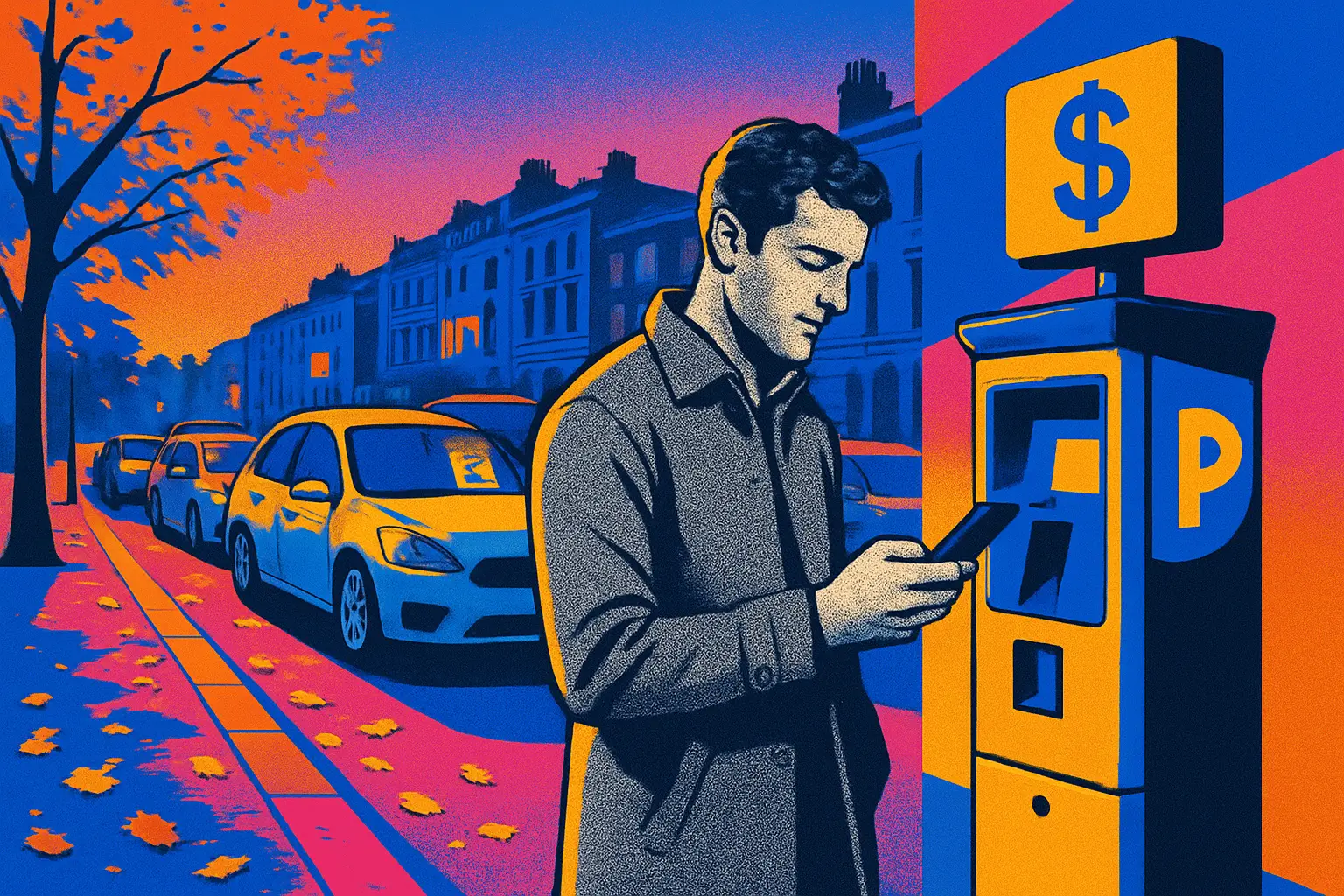
The cost of stopping: why parking eats your budget
Parking has quietly become a major household expense. In 2025, daily charges in central London can top £50, while penalty fines in the capital now reach up to £160 in the most expensive zones. Beyond London, councils across Great Britain have increased prices, with some towns seeing rises of 20 percent or more. At the same time, private operators are issuing record numbers of tickets in supermarket and retail car parks.
The result is a perfect storm: drivers spend time hunting for a space, overpay once they find one, then risk a fine if they run late. Across the UK, drivers lose around 44 hours a year searching, costing an estimated £733 each in time and fuel. Many then pay extra to avoid penalties, adding about £209 per driver, while fines average around £39. It all adds up to a significant hit to your wallet.
We will walk you through practical, lawful ways to reduce these costs. From planning smarter journeys and using trusted parking apps to understanding your rights with private charges, this guide gives you simple steps that work in the real world. No jargon, no scare tactics, just clear guidance to help you park for less and avoid unnecessary penalties.
Small changes to how you plan and pay for parking can save you hundreds each year.
Who will find this useful
If you drive anywhere in the UK for work, school runs, hospital visits, shopping, or evenings out, this guide is for you. It is especially helpful if you visit busy towns and cities, commute into or around London, or rely on private retail car parks where tickets are common. New drivers and occasional visitors can also use it to avoid first-time mistakes that lead to costly penalties.
What is really driving your parking costs
Parking costs are not just about the hourly rate on the sign. Councils across England now generate billions from parking income, with profits over £1 billion in 2024 to 2025. London alone accounts for a substantial share of that. Private parking operators are also highly active, issuing more than 14 million tickets in the year to March 2025. Each private charge is typically up to £100, which is often reduced if paid quickly but can sometimes be challenged when terms are unclear.
Rules vary by location. For example, London penalty charges rose by £30 in April 2025, with fines up to £160 in Band A areas and £140 in Band B. Regional towns have also increased tariffs, with some places seeing rises of 30 to 60 percent. High street parking prices differ widely across the UK, which means choosing where and when you shop can influence how much you pay.
Technology has made parking more manageable. Reliable apps show legal bays, resident zones, controlled hours, and real-time prices. Many allow pre-booking to lock in cheaper rates. EV drivers can access designated free or discounted spots in parts of London, which helps offset rising city-centre costs. The bottom line: understanding the local rules and using the right tools is the fastest route to savings.
Typical high street hourly rates by region
| Region | Approx. rate per hour | Notes |
|---|---|---|
| London | £2.50 | Highest, with steep PCNs in Band A and B |
| Scotland | £2.00 | Varies by city and tourist hotspots |
| North of England | £1.50 | Some towns increased tariffs sharply |
| South East | £1.40 | Watch for seasonal adjustments |
| Northern Ireland | £0.90 | Among the lowest average rates |
How to cut your parking bill in practice
Start with planning. Before you set off, check a trusted parking app for prices, zones, and restrictions. Pre-book if you can. It reduces searching time and often secures a cheaper rate. If you are visiting a busy area, compare a park-and-ride or train link from a cheaper outer zone against driving straight into the centre.
When you park, set two timers on your phone: one for 10 minutes before expiry and another at the exact end. This gives you a buffer to avoid overstay penalties without paying for unnecessary extra time. Pay only for what you need, and extend remotely if the app allows.
Be precise about the rules on the sign. Look for controlled hours, resident-only windows, loading restrictions, and maximum stay limits. In retail car parks, check the small print on free stay periods. Keep receipts and screenshots of the terms when you parked, which can be useful if a dispute arises. If you drive an EV, map out designated free or discounted spots in London and use them first.
The best savings come from planning ahead and paying accurately for the time you actually use.
Why this matters to your household budget
Over a year, small daily decisions make a big difference. Drivers typically lose around 44 hours annually searching for spaces and then overpay to avoid fines. Londoners, in particular, spend even more time and money. With council profits from parking running into billions and private tickets at record highs, parking is no longer a minor expense. It is a controllable cost, which means you can take steps to bring it down.
Savings are not only about cash. Reducing time spent circling for a space lowers fuel use and stress. Choosing towns with fairer rates can make high street shopping more appealing again. If you are an EV driver, prioritising free designated bays in London helps counter rising daily charges. Together, these actions can return hours to your week and hundreds of pounds to your annual budget.
Pros and cons of common parking options
| Option | Pros | Cons |
|---|---|---|
| On-street council bays | Often closest to destination, clear markings | Can be pricey at peak times, strict enforcement |
| Council car parks | Usually transparent rules, app payments | Tariffs rising in many towns, limited spaces |
| Private retail car parks | Free periods possible, convenient for shopping | Complex terms, high risk of private PCNs |
| Park-and-ride | Lower daily cost, easier access to city centres | Adds transfer time, limited evening services |
| Pre-booked off-street | Locked-in rate, guaranteed space | Less flexibility if plans change |
| Residential permits | Predictable cost near home | Upfront fees and visitor limits |
| EV designated bays | Free or discounted in some areas | Availability varies, may have time caps |
Watchpoints that catch drivers out
Two areas cause most problems: unclear rules and poor timekeeping. Always check both sides of any sign and note the exact bay markings. Some streets shift from resident-only to pay-and-display at set times, and vice versa. In private car parks, automatic number plate recognition starts timing the moment you enter, not when you find a space. Exits can also be congested, so allow time to leave.
Keep proof. Photograph the bay, the sign, and your payment confirmation. If a machine fails, record the error and pay another way if possible. For app payments, confirm your registration number is correct. If you receive a ticket and believe it is unfair, act promptly. Use the appeals process and include your evidence. Many private charges are reduced or cancelled when drivers can show reasonable compliance and unclear terms.
Cheaper ways to park or avoid it altogether
- Pre-book a space in an off-street car park for a fixed lower rate.
- Use park-and-ride and finish the journey by bus, tram, or train.
- Target council car parks offering off-peak or evening discounts.
- Choose towns with lower high street tariffs for shopping trips.
- Share lifts and split parking fees with friends or colleagues.
- For EVs, plan routes around designated free or discounted bays.
- Combine driving with walking or cycling for the last mile.
- Consider a residential permit if street demand is high near home.
Frequently asked questions
Q: Are London parking fines really higher in 2025? A: Yes. Penalty charges in London increased by £30, reaching up to £160 in Band A areas and £140 in Band B. Checking zones before you park is essential.
Q: Do private parking tickets have to be paid? A: Private charges are invoices, not criminal fines. If terms were unclear or you complied, you can appeal. Act quickly, provide evidence, and use the operator’s appeals route.
Q: How can I stop overpaying for time I do not use? A: Set two timers and use apps that allow remote extensions. Pay close to your actual stay and extend only if needed.
Q: Is high street parking cheaper outside London? A: Typically yes. Average hourly rates are around £1 to £2 outside London, with Northern Ireland among the lowest. Check local tariffs before you travel.
Q: Can EV drivers park for free in London? A: Some designated EV bays in London offer free or discounted parking. Availability varies by borough, so plan ahead and confirm current rules in your chosen area.
How Switcha helps you park for less
Switcha brings together trusted tools and impartial guidance so you can pick the cheapest, most reliable way to park before you set off. We help you compare council bays, private car parks, and pre-booked spaces in one place, so you avoid last-minute scrambles that lead to overpaying. Our guidance explains rules in plain English and highlights low-cost zones, off-peak windows, and EV perks where available.
If you are travelling into London, Switcha can point you towards park-and-ride options, cheaper fringe areas, and boroughs with fairer tariffs, then show your best onward travel choices. You will also find checklists to appeal unfair private charges and templates to keep your evidence tidy. The goal is simple: fewer fines, less faff, and more money left in your pocket every month.
Next steps: plan your next trip with a parking app, set dual timers, and keep photo evidence of the bay and sign.
Important information
This guide is general information, not personal advice. Parking rules change by location and can be updated without notice. Always check the latest on-street signs, local council websites, and private car park terms before you park or appeal a charge.