Cutting energy costs without the cold shock
Rising energy prices can make every thermostat tweak feel risky. The good news is you can cut bills without sacrificing warmth or comfort. Most UK homes spend the largest share of their energy on heating, so small, confident changes often pay back quickly. Think of it as tuning your home rather than tightening your lifestyle.
Bold but simple steps make the biggest difference. Lowering your thermostat by just 1°C can trim a meaningful chunk off annual costs, especially during a UK winter. Combine that with switching devices off at the plug, choosing LED bulbs for busy rooms, and taking shorter, warmer showers rather than longer, hotter ones. These are practical, low-cost moves you can make today.
Smart tools can help too. A smart meter gives you live feedback so you can spot waste immediately and avoid estimated bills. If you rent, you can still benefit - just check with your landlord before booking an installation or changing tariffs.
Strong habits, small upgrades, and the right tariff can work together. You do not need to become an energy expert to make progress - you simply need clear, safe steps that fit your home.
Small adjustments add up quickly when heating is over half your bill.
Is this guide for you?
If you want to save money on gas and electricity in a typical UK home or flat, this guide is for you. Whether you own or rent, use a prepayment meter or pay by direct debit, you will find clear, low-risk actions to reduce waste, improve comfort, and pick better-value tariffs. Everything here is designed for GB households and explained in plain English.
What actually drives your bill - and what you can change
Most UK energy bills are split between a standing charge and your usage. You cannot control the standing charge directly, but you can influence how much energy you use for heating, hot water, lighting, and appliances.
Heating is usually the biggest cost. Turning your thermostat down by 1°C can save up to around £145 per year in a typical home, without leaving you shivering. If you have thermostatic radiator valves, you can dial back heat in rooms you use less often and keep living spaces comfortable.
Hot water comes next. Showers are cheaper than baths, and cutting shower time to about four minutes can save up to £70 a year. If you wash dishes, using a bowl instead of running the tap can save further pounds. These are small changes that quickly become habits.
Appliances and gadgets quietly add up. Devices left in standby use electricity even when you are not actively using them. Turning them off at the plug can save roughly £40 to £80 per year. Smart plugs make this simple to automate without changing your routine.
Lighting costs have fallen thanks to LEDs, which use about 80% less energy than older bulbs. Swap bulbs in high-use rooms first - kitchens, living rooms, and hallways - for a fast payback. Combine this with a good habit of turning lights off when leaving a room.
Tariffs matter too. Fixed rates sometimes drop below the price cap, particularly when market prices fall. Checking regularly can uncover savings. Support schemes, such as the Warm Home Discount, can reduce winter bills for eligible households.
Practical steps that work this month
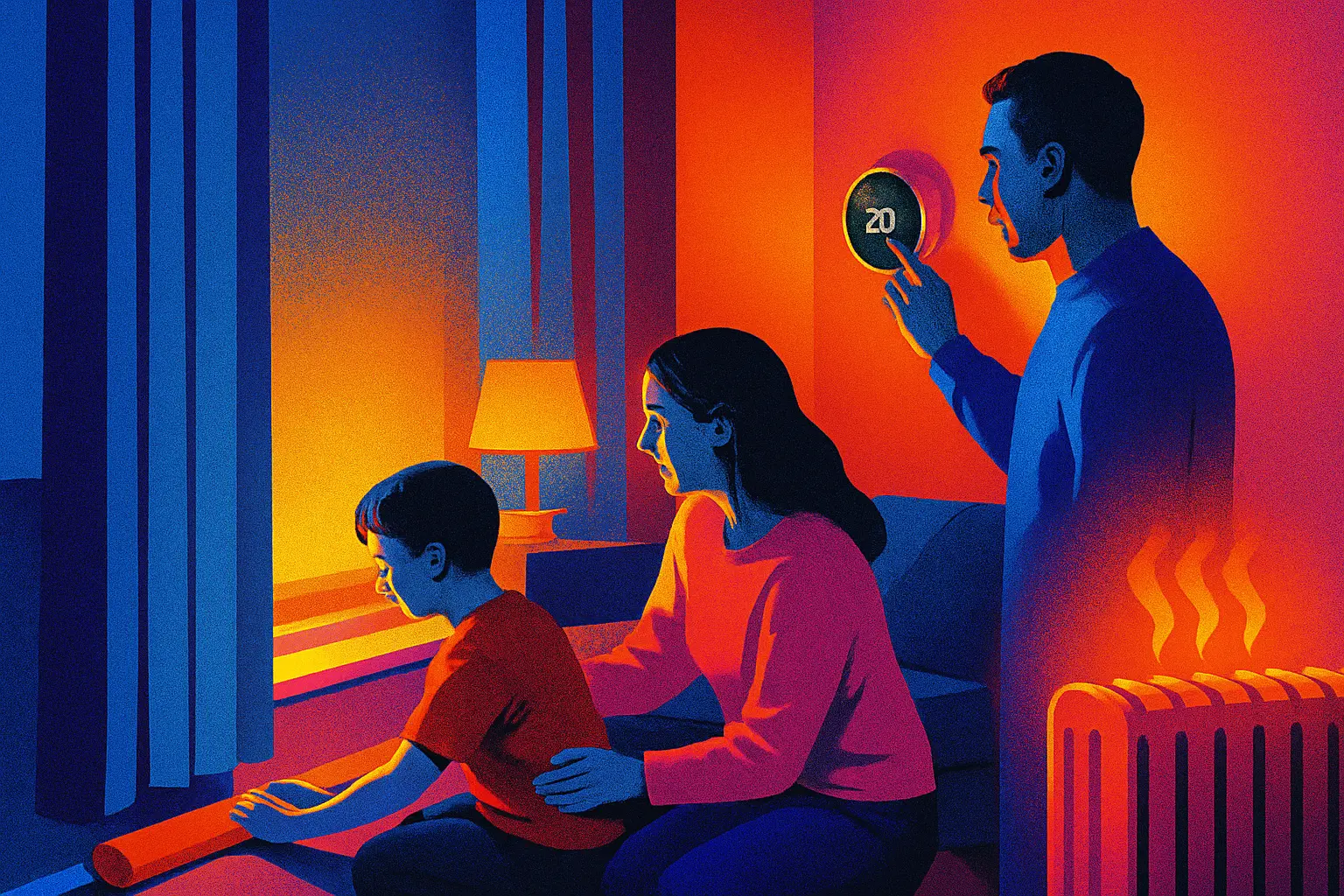
Start with easy wins. If your thermostat is currently set to 20°C, try 19°C and wear a jumper at home. It sounds simple, but that 1°C reduction can deliver a meaningful annual saving while maintaining comfort. Close thermal curtains at dusk to keep heat in and consider draught excluders around doors and windows - reducing heat loss can cut bills and make rooms feel warmer.
A smart meter with an in-home display helps you see what costs what. As you boil the kettle or run the tumble dryer, you will see the live impact on usage. This turns saving into a quick, informed decision rather than a guessing game. If you have a hot water tank, fit an insulating jacket and check your timer so the water heats only when you need it.
For appliances, switch devices off at the plug when not in use or use smart plugs to schedule off times. Run washing machines and dishwashers full, and if your tariff offers off-peak periods, shift usage accordingly. Air-dry laundry where possible rather than relying on the tumble dryer.
If you have a boiler, an annual service keeps it efficient and safe. Check the pressure gauge too - around 1 to 1.5 bar is usually recommended when the system is cold. If you are unsure, speak to a Gas Safe engineer.
Next steps: make one thermostat tweak, one lighting swap, and switch off standby today - then review your tariff this week.
Why these changes save real money
Heating dominates most UK bills, so reducing heat loss and avoiding overheating delivers outsized savings. Cutting just 1°C often makes rooms no less comfortable once you add warm layers, close curtains early, and block draughts. That combination lets you use less energy to stay just as warm.
Lighting and standby are classic hidden costs. Old bulbs waste energy as heat, while standby power draws electricity for no benefit. LEDs and plug-level control are quick, reliable fixes with minimal effort.
Hot water savings are straightforward: shorter showers and washing up in a bowl reduce hot water demand. Less hot water means less gas or electricity used to heat it. Over a year, these small habits add up.
The safest savings are the ones you can repeat every day without noticing.
Tariff choices and support schemes matter because price per unit and direct discounts affect your total bill. A smart meter underpins everything, giving you accurate readings and real-time feedback so you avoid estimated bills and spot waste quickly.
Pros and cons at a glance
| Approach | Pros | Cons |
|---|---|---|
| Lower thermostat by 1°C | Big saving with no cost, comfort maintained with small adjustments | Some households may prefer a slightly warmer setting |
| Switch off standby | Easy habit or automate with smart plugs, £40-£80 yearly saving | Inconvenient for devices that need constant power or updates |
| Smart meter installation | Live usage data, accurate bills, helps optimise tariffs | Requires supplier appointment, permission needed if renting |
| LED lighting | 80% less energy, quick payback in high-use rooms | Small upfront cost, quality varies by brand |
| Draught proofing and thermal curtains | Warmer rooms, reduced heat loss, low cost | Some fittings take time to install, effectiveness varies by property |
| Shorter showers | Fast habit change, up to ~£70 saved | Requires family buy-in, may feel rushed |
| Boiler service and hot water tank insulation | Efficiency, safety, around £50 saved on tank alone | Service cost, needs qualified engineer |
| Tariff switch or fix | Can undercut price cap and save hundreds | Exit fees on some fixes, prices can change |
Watchouts before you start
Safety comes first. If you have a gas boiler, only a Gas Safe registered engineer should service or repair it. Never block air vents or flues, and avoid covering radiators with furniture or clothes which can reduce efficiency and create risks. When adding draught excluders, leave adequate ventilation in rooms with gas appliances and open flues.
Check your tenancy or freeholder rules if you rent or live in a flat before installing a smart meter or making changes like sealing windows. For older properties, some draughts help manage condensation, so pair improvements with sensible ventilation. For electric heating, rolling your usage into off-peak periods can help, but make sure you understand your meter type, especially if you have Economy 7 or similar time-of-use tariffs. Finally, keep an eye on any exit fees before locking in a fixed tariff, and ensure discounts such as the Warm Home Discount are applied if you are eligible.
Other ways to cut costs
- Compare fixed-rate tariffs regularly when market prices fall - some fixes can be cheaper than the price cap.
- Apply for the Warm Home Discount if you are eligible - a £150 winter bill credit.
- Use smart plugs and schedules to automate off times for consoles, TVs, and chargers.
- Shift laundry and dishwashing to off-peak windows if your tariff allows.
- Bleed radiators and use thermostatic radiator valves to control room-by-room heat.
- Air-dry clothes and avoid the tumble dryer where possible.
- Close curtains at dusk and open them on sunny mornings to capture free heat.
FAQs
How much can I save by lowering the thermostat?
Many households can save up to around £145 a year by reducing the thermostat by 1°C, especially during winter months. Combine this with draught proofing to stay comfortable.
Do smart meters actually reduce bills?
They do not directly change your tariff, but they make your usage transparent and billing accurate. Seeing real-time costs helps you cut waste and avoid estimated bills.
Is it worth switching off standby every day?
Yes. Cutting standby power at the plug can save roughly £40 to £80 per year. Smart plugs make it easy to automate without changing your routine.
Are LED bulbs really that much better?
Yes. LEDs use about 80% less energy than older bulbs and last longer. Start with the rooms you light most to see the quickest payback.
What support is available if I am struggling with bills?
Check eligibility for the Warm Home Discount for a £150 winter credit. Speak to your supplier about payment plans and priority services, and review local council support schemes.
How Switcha fits into your savings plan
Switcha helps you take the guesswork out of saving on energy. We compare tariffs across trusted UK suppliers so you can see when a fixed deal beats the price cap and whether switching is worth it after fees. We highlight off-peak options such as Economy 7 and weekend saver events so you can plan high-usage tasks when power is cheaper.
We also guide you through practical home changes that lower usage, from installing LEDs in high-use rooms to using smart plugs and setting sensible thermostat schedules. If you are eligible for a smart meter, we will point you to your supplier and explain what to expect on installation day. Renters are not left out - we cover the permissions to check and the low-cost actions you can take today.
With clear guidance, transparent comparisons, and simple checklists, Switcha helps you keep more control over your bills, stay comfortable, and avoid surprises.
Important notice
This guide provides general information for GB households. It is not personal advice. Energy prices change and savings vary by property. Always follow safety guidance and consult qualified professionals for boiler or electrical work.