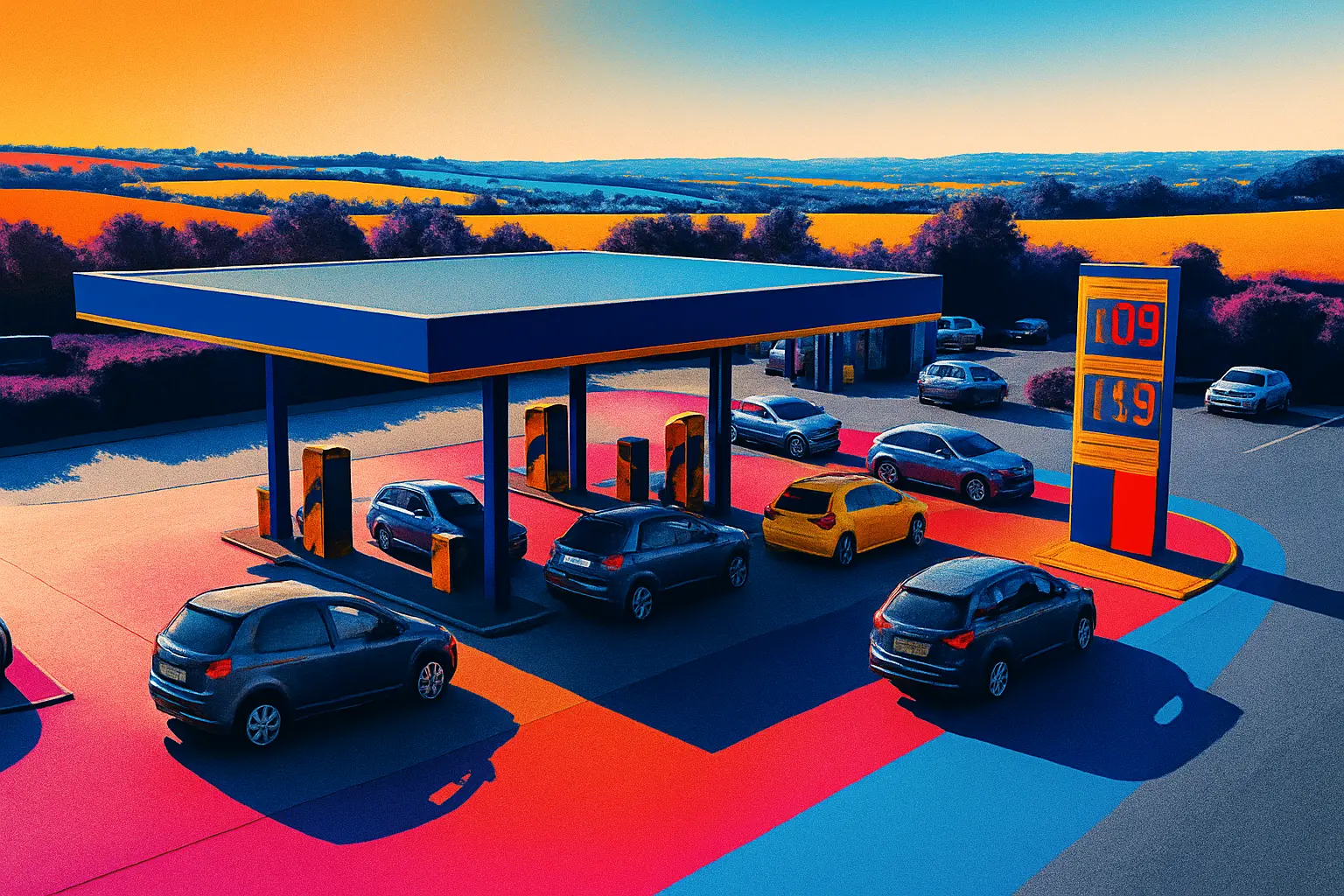
Your fuel spend, made simpler
Petrol and diesel costs have eased from last year, yet every fill still stings. Across 2024 to 2025, petrol averaged around 135p per litre and diesel about 142p per litre, with small upturns when global oil crept higher and the pound dipped. The good news: fuel duty remains frozen at 52.95p per litre until Spring 2025, avoiding an extra jump at the pump. Add in the fact that supermarkets control more than 40% of UK fuel sales and typically post the lowest average prices, often up to 6p per litre cheaper than the national petrol average, and there are clear, reliable ways to pay less.
Our aim is to help you make steady, confident savings without fuss. We will explain what drives prices, why diesel usually costs more, and how to use weekly UK price reports and trusted tools to time your purchases. We will keep the language plain, the numbers transparent, and the steps practical. No gimmicks, no pressure - just clear guidance so you can keep more money in your pocket.
Who benefits from this guide
If you drive in the UK and want a simple plan to spend less on fuel, this is for you. Whether you commute daily, run a family car, or drive a small business vehicle, you will find practical, evidence-backed tips tailored to UK prices and policies.
What really sets the pump price
Your final price per litre reflects several moving parts. Crude oil sets the base, and global shifts can nudge it up or down. Sterling matters too: a weaker pound makes imported fuel components pricier, which feeds through to the forecourt. Tax is a large slice. Fuel duty is currently frozen at 52.95p per litre for petrol and diesel until Spring 2025. VAT then applies to the whole amount, which means price swings get amplified.
Market behaviour also counts. UK retail fuel margins have been higher than in the late 2010s, with the competition watchdog noting persistently strong retailer earnings. That is why shopping around works. Supermarket forecourts, which sell over 40% of fuel nationwide, tend to post the lowest average pump prices, often undercutting rivals by up to 6p per litre on petrol. Diesel usually sits above petrol due to more complex refining and different demand patterns, so diesel drivers have even more to gain by comparing local stations.
Finally, weekly government data and tools like RAC Fuel Watch show short-term movements. Even small dips - one or two pence per litre - can produce immediate savings over a month if you time your top-ups.
How to lock in everyday savings
Start by setting a local price baseline. Check weekly UK averages and a trusted price-tracking tool before you buy. If your nearest supermarket is meaningfully cheaper than the regional average, plan to fill there and consider topping up when prices dip rather than waiting until you are near empty.
If you drive diesel, expect a higher per-litre price than petrol and seek out competitive supermarket sites or busy A-road forecourts that refresh prices more often. Keep an eye on global headlines and sterling trends; if crude jumps or the pound weakens, prices may follow within days. When prices drift lower, use that window to fill a full tank.
Small habits help too. Smooth acceleration, correct tyre pressures, and avoiding unnecessary weight can add quiet but measurable savings. Combined with smart station choice and timing, these changes can reduce monthly spend without altering your routine.
Why these steps work
Margins and taxes are largely outside your control, but retailer choice is not. With supermarket fuel margins lower than many non-supermarkets in 2025, steering towards those sites typically trims the price you pay. In a market where average margins have stayed elevated compared with the mid-2010s, the simple act of comparing forecourts restores some competition.
Timing also matters because prices move in steps. From May to late summer 2025, average petrol rose by nearly 2p per litre and diesel by around 3.5p, mostly reflecting global oil shifts and refining spreads. Buying during a dip, even a small one, is a quick win that compounds over the year. Diesel’s refining complexity keeps it above petrol most of the time, making careful station selection and timing especially worthwhile for diesel drivers.
Weighing it up at a glance
| Approach | Key benefit | Potential drawback |
|---|---|---|
| Use supermarket forecourts | Often up to 6p/litre cheaper than national petrol average | Can be busier, limited overnight hours at some sites |
| Track weekly UK prices | Time purchases around dips for immediate savings | Requires a little planning and attention |
| Compare local stations with apps | Quickly spot the cheapest nearby pump | Data can lag at quieter forecourts |
| Fill up strategically | Full tank during low-price windows maximises savings | Cash flow tie-up if prices fall further soon after |
| Drive efficiently | Lower consumption without spending money | Benefits fade if tyres and servicing are neglected |
Small, repeatable choices beat one-off fixes. Consistency saves the most over a year.
Next steps:
- Set a weekly reminder to check UK averages and a trusted tracker.
- Identify the two cheapest supermarkets within your usual routes.
- Keep your tyres at manufacturer-recommended pressures.
Pitfalls to avoid
Prices vary by region and even within the same town. A single retailer’s price board may not reflect wider trends, so do not rely on one station as your benchmark. Diesel typically sits above petrol, so if you drive a diesel, budget accordingly and compare more than one local option before filling. Be careful with timing: waiting too long to refuel can force an emergency stop at a pricier station. Watch exchange rate moves and global oil headlines; sharp shifts can filter through within days. Finally, treat loyalty points as a bonus, not a reason to pay a higher base price, and remember that VAT magnifies movements, so small wholesale changes can mean noticeable pump swings.
Other routes to reduce costs
- Use public transport for frequent short trips where practical.
- Car share on regular commutes to halve or quarter fuel spend.
- Combine errands into one round trip to cut cold starts.
- Consider a more fuel-efficient vehicle when you next change car.
- Explore home delivery for bulky items to reduce driving.
FAQs
Is fuel duty going up soon?
Fuel duty is frozen at 52.95p per litre until Spring 2025, which helps prevent an additional rise in pump prices during this period.
Why is diesel usually pricier than petrol?
Diesel is costlier to refine and often faces different demand patterns. Those factors, plus retail strategies, typically keep diesel above petrol across the UK.
How often should I check prices?
Weekly checks align with official updates, but a quick look before each fill using a trusted tracker helps you catch local dips.
Are supermarket fuels lower quality?
Supermarkets meet the same UK standards as other retailers. Some brands add premium additives, but for most drivers, standard grades from all forecourts meet required specifications.
Can timing really save much?
Yes. A 2p per litre difference on a 50-litre fill is £1. Over two fills a month, that is roughly £24 a year, and larger dips increase savings.
How Switcha fits into your savings plan
At Switcha, our focus is helping UK consumers make confident money choices without the jargon. We bring together clear, trusted information on what drives pump prices - from frozen duty and VAT to supermarket competition and weekly UK averages - so you can act at the right moment. We explain why diesel trends differ from petrol, how margins shape local prices, and the practical steps that deliver day-to-day savings.
We also keep guidance simple: use supermarkets where they are cheaper, check live averages before you buy, and fill up when prices dip rather than when the tank runs dry. By turning complex market movements into plain-English actions, Switcha helps you spend less at the pump while staying fully informed.
Important information
This guide is general information for UK motorists. It is not financial advice. Fuel prices change frequently and regionally. Always check current local prices and your vehicle manufacturer’s guidance before making decisions.