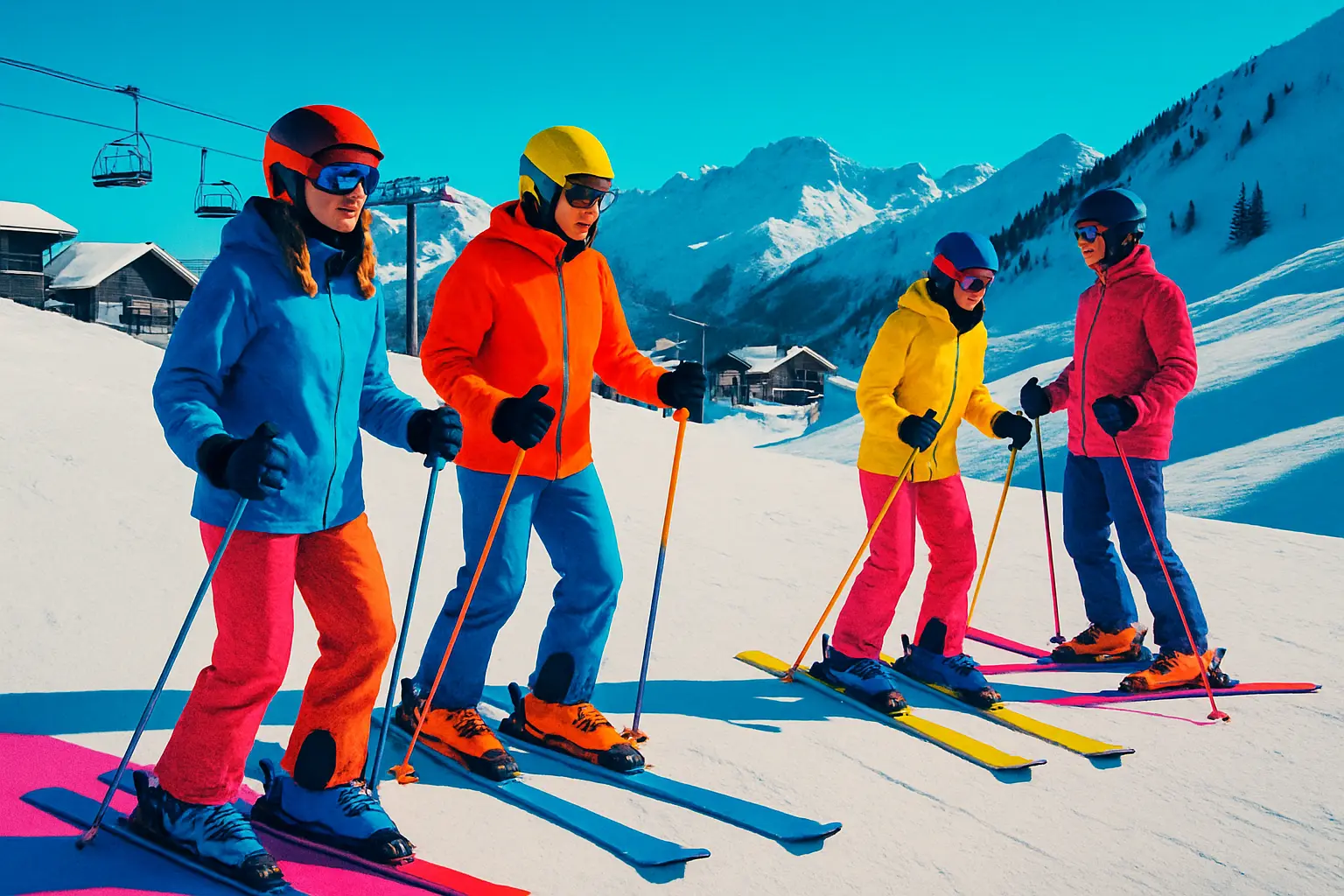
Why cover for the slopes matters
Ski and winter sports insurance is a focused version of travel insurance that adds protection for risks linked to the mountains. It is designed to cover injuries on the piste, stolen or damaged equipment, lost lift passes, piste closures, and delays caused by avalanches. It can also include emergency medical assistance, search and rescue, and repatriation if you need to come home for treatment.
Many UK travellers assume standard travel insurance covers skiing, but it usually does not. A winter sports upgrade is often required for single trips or annual policies. This matters because a sizeable share of UK skiers either travel without any insurance or rely on policies that exclude winter sports. With one in four travellers experiencing minor to moderate injuries on the slopes, uninsured costs can quickly escalate, even within Europe where treatment and rescue fees vary by country and resort.
Think of this insurance as a safety net that helps reduce financial shocks. It will not stop accidents, but it can cover emergency care, interrupted plans, and equipment mishaps. If you are budgeting for a ski holiday, it sits alongside flights, accommodation, lift passes, and kit hire as an essential cost rather than an optional extra.
Many standard policies exclude skiing unless you add a winter sports extension.
This guide walks you through what is typically covered, where the limits sit, and how claims work in practice. You will find clear explanations so you can choose cover that fits your plans and avoids gaps that could leave you out of pocket.
What is covered and how it operates
At its core, winter sports insurance extends travel insurance to risks like fractures, ligament injuries, and collisions that happen while skiing or snowboarding. Medical cover usually includes hospital fees, treatment, and medically necessary transport. Most policies also provide 24-hour emergency assistance and can arrange repatriation if your condition requires it.
Cover often includes your ski equipment - both owned and hired - against theft, loss, or damage, with single-item and total limits. If an injury prevents you from using prepaid services, policies may reimburse unused ski passes, lessons, or equipment hire. Many also cover lost lift passes, piste closures, and additional accommodation or transport costs following avalanches that block access.
Claims are assessed against your policy wording. Insurers expect you to take sensible care of equipment, report thefts to the police, and obtain medical reports from the resort or hospital. Exclusions commonly apply to off-piste skiing without a qualified guide, racing, or mountaineering, unless you have specialist cover. Alcohol or drug involvement, reckless behaviour, and ignoring local safety advice can invalidate claims. If you are travelling as a family or group, each person taking part in winter sports usually needs their own winter sports cover.
A simple example: you twist your knee on a blue run and need hospital treatment. With appropriate cover, medical costs and medically required repatriation can be arranged. Another example: the resort closes key lifts for several days due to avalanche risk. Where included, you may be compensated for lost ski days within the policy limits.
Who benefits most
This cover is valuable for anyone planning to ski or snowboard, from first-time holidaymakers to seasoned riders. It is particularly relevant for UK travellers visiting European resorts, where treatment, rescue, and onward travel can be costly. Families gain peace of mind by insuring each participating adult and child, ensuring equipment and prepaid lessons are protected.
If you are sticking to gentle pistes and taking lessons, a standard winter sports extension may be enough. Those pursuing off-piste terrain, heli-skiing, or racing will likely need specialist policies that explicitly cover higher-risk activities and any guide requirements. If you are heading to the mountains but have no intention of skiing or snowboarding, a standard travel policy without winter sports add-ons may be sufficient.
The goal is to match cover to your actual plans. Overinsuring wastes money, while underinsuring can leave expensive gaps if something goes wrong.
Choosing your cover level
-
Basic winter sports extension
- Includes emergency medical cover, piste closure benefits, and limited equipment cover.
- Suitable for occasional skiers who plan to stay on marked pistes and avoid high-risk activities.
-
Standard tier
- Higher medical limits, better equipment protection, lost lift pass cover, and reimbursement for unused passes or lessons due to injury.
- Good for most holidaymakers wanting a balanced mix of cover and price.
-
Premium tier
- Elevated limits, reduced excesses, enhanced cancellation and curtailment, and stronger avalanche or delay benefits.
- Suits longer trips, peak-season travel, or travellers with higher-value equipment.
-
Specialist high-risk policies
- Covers off-piste without a guide where allowed, ski touring, racing, or mountaineering, subject to conditions.
- Intended for experienced skiers and snowboarders tackling advanced terrain or competitions.
-
Optional add-ons to consider
- Gadget cover for phones, action cameras, and GPS devices.
- Increased single-item limits for premium skis or snowboards.
- Winter sports pack add-ons for heli-skiing or snowmobiling where excluded.
- Excess waiver to reduce or remove the claim excess.
Pro tip: read activity lists carefully. If an activity is not named, assume it is excluded and check with the insurer.
What it costs and what drives the price
| Factor | Typical impact on price | What to know |
|---|---|---|
| Trip type | Single trip is usually cheaper upfront than annual multi-trip | Annual can be cost-effective if you ski more than once a year |
| Destination | Some European countries cost less than long-haul resorts | Medical costs vary across countries and resorts |
| Duration | Longer trips generally increase premiums | More days skiing means greater exposure to risk |
| Age | Premiums often rise with age brackets | Higher claim likelihood drives pricing |
| Activities | Off-piste or high-risk sports increase costs | May require specialist cover and higher limits |
| Equipment value | Insuring expensive kit raises premiums | Consider single-item limits and proof of ownership |
| Pre-existing conditions | May increase cost or exclude related conditions | Full disclosure avoids claim issues |
| Excess level | Higher excess can lower the premium | Ensure the excess is affordable if you claim |
| Claim history | Recent claims can push premiums up | Insurers view frequent claims as higher risk |
| Cover level | Premium tiers cost more due to higher limits | Check if you actually need the extra features |
Typical UK ski trips cost roughly £1,200 to £2,200 per person including insurance. Insurance is a small share of that total but a critical one. Prices vary widely, so compare policy limits, exclusions, and assistance services rather than choosing on price alone.
Can you get this cover
Most UK residents who are travelling from the UK can apply, but eligibility varies. Insurers typically set age ranges and may require you to start and end your trip in the UK. They will ask about your destination, dates, activities, and any pre-existing medical conditions. You must declare medical conditions accurately and follow any medical screening steps. Failure to disclose can lead to declined claims later.
Common restrictions include off-piste without a qualified guide, competitive events, and certain activities like heli-skiing unless specifically added. Some policies require the use of helmets or adherence to local piste rules. You may need receipts or valuations for high-value equipment and proof of ownership for claims. Reasons for decline can include high-risk itineraries, unresolved medical issues, or recent serious claims. Checking eligibility before you buy helps avoid disappointment or gaps in cover.
From quote to claim - step by step
- Describe your trip, activities, and dates to receive a quote.
- Disclose medical conditions and complete any required screening.
- Choose cover level and add-ons to match your planned activities.
- Confirm limits, excesses, exclusions, and assistance contact details.
- Buy the policy and save documents on your phone and offline.
- If injured, call the 24-hour assistance line before treatment where possible.
- Collect reports, receipts, and proofs needed to support your claim.
- Submit your claim promptly and respond to any follow-up requests.
Benefits and trade-offs
| Advantage | Potential drawback | Why it matters |
|---|---|---|
| Covers medical emergencies and rescue | Exclusions for off-piste or high-risk activities | Avoid assumptions about covered activities |
| Protects equipment and lift passes | Single-item and total limits may be modest | Check limits match your kit value |
| Compensation for piste closure and avalanches | Benefits may apply only under specific conditions | Read wording on what counts as a closure |
| 24-hour assistance and repatriation | Pre-approval may be required for treatment | Call the assistance line early |
| Tailored options for families and groups | Every participant must have winter sports cover | Ensure each skier is named and covered |
| Annual multi-trip convenience | Max trip length limits still apply | Verify per-trip day limits on annual policies |
| Specialist cover available for advanced activities | Costs can rise with risk level | Balance ambition with budget and needs |
Before you commit
Check the medical cover limit, excess amounts, and whether pre-approval is required for non-urgent treatment. Review exclusions for alcohol, off-piste conditions, racing, and any requirement to ski with a guide. Confirm equipment limits and proof requirements, including original receipts or valuations for high-value items. Look for lift pass and lessons benefits, and how piste closures or avalanche delays are defined.
Pay attention to cancellation and curtailment limits, especially if your trip costs are high. Understand how pre-existing conditions are assessed, including any stability periods. For annual policies, note trip length caps and whether winter sports days are limited. Renewal prices can change, so do not rely on last year’s premium as a guide. Keep emergency numbers and your policy documents accessible offline.
Alternatives to consider
- Standard travel insurance without winter sports
- Suitable if you are visiting the mountains but not skiing or snowboarding.
- Specialist extreme sports insurance
- Better for off-piste without a guide, racing, heli-skiing, or mountaineering.
- Backpacker or long-stay policies
- Useful for seasons or extended trips with longer duration limits.
- Gadget insurance
- For high-value cameras, phones, and action cams if your policy limits are low.
- Private medical insurance with overseas cover
- May complement travel cover but rarely replaces winter sports benefits.
FAQs
Q: Is skiing covered under my standard travel insurance? A: Usually not. Most standard policies exclude skiing and snowboarding unless you add a winter sports extension. Check your documents for named activities and any guide or helmet requirements.
Q: Do I need cover for every person in my family who skis? A: Yes. Each person participating in winter sports needs individual cover under a suitable policy. Family policies can group everyone, but every skier must be listed and covered.
Q: Am I covered for off-piste skiing? A: Often only with conditions, such as skiing with a qualified guide and staying within resort boundaries. If you plan unguided off-piste or touring, seek specialist cover that states this clearly.
Q: What happens if the piste is closed due to weather or avalanche risk? A: Many policies include piste closure benefits and avalanche delay cover. Payouts depend on definitions, proof from the resort, and daily or total limits specified in your policy.
Q: Will my action camera and phone be covered? A: Some policies include limited gadget cover. Check single-item limits, overall gadget caps, and whether you need a separate gadget policy for higher-value devices.
Q: How much could an injury cost without insurance? A: Costs vary, but winter sports injuries in Europe can run to hundreds or thousands of pounds, especially with rescue or medical evacuation. Insurance helps manage these expenses.
Q: Do I need to call the assistance line before treatment? A: Where possible, yes. Non-emergency treatment often requires pre-approval. In an emergency, seek help immediately and contact the assistance team as soon as practical.
What to do next
Take a few minutes to compare winter sports policies side by side. Focus on medical limits, activity lists, equipment cover, and assistance services rather than price alone. When you are confident the wording matches your plans, buy and store the documents safely. You stay in control throughout - make choices that fit your trip, your budget, and your appetite for risk.
Next step: shortlist two or three policies and check the activity list line by line.
Important information
This guide provides general information only and is not personal financial advice. Policy terms vary by insurer. Always read the full policy wording, check exclusions and limits, and confirm that your chosen activities are explicitly covered before you travel.