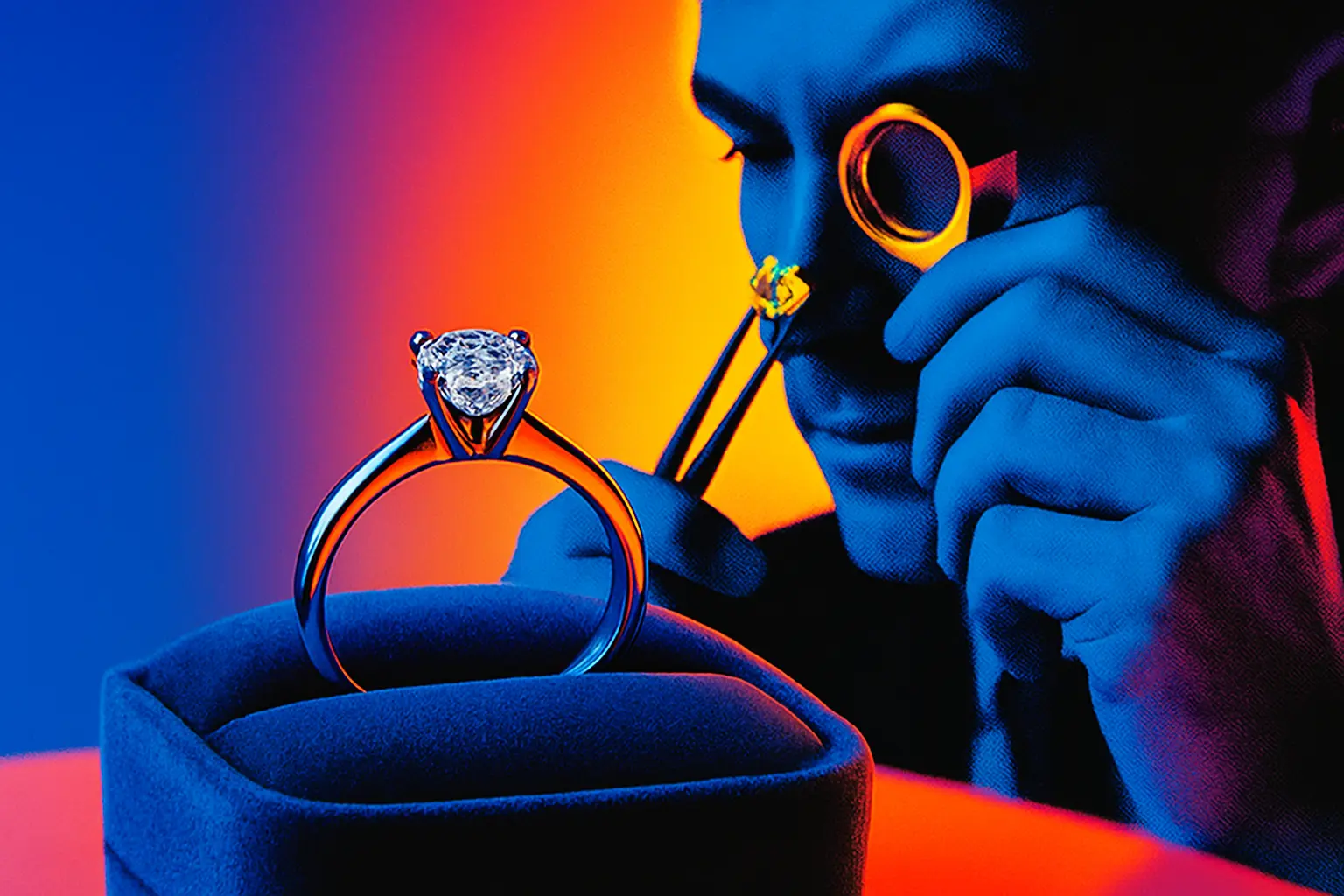
Your guide to protecting precious pieces
Jewellery insurance is a specialist policy that protects items like engagement rings, wedding bands, watches, and heirlooms against risks such as theft, accidental damage, and loss. For many UK households, these items carry both financial and emotional value. A policy is designed to replace or repair them after covered events, helping you get back to normal without facing the full cost yourself.
In the UK, premiums for engagement rings in 2025 typically sit around 1% to 3% of the item’s appraised value. That means a £6,000 ring could cost roughly £60 to £180 per year to insure, depending on the specifics. Coverage often includes worldwide protection, which is useful if you travel or commute. You can add jewellery to home insurance or buy a standalone policy. Standalone cover often provides broader accidental loss protection and does not affect your home insurance claims history if you need to claim.
The UK market is stable and buyer friendly in 2025, with competitive pricing and accessible cover options. Valuation standards have tightened, and insurers now often ask for updated valuations every three years or less to keep insured amounts accurate. This is particularly important given rising jewellery values and increasing theft. Throughout this guide, we will take you through what is covered, how claims work, where exclusions sit, and the practical steps to reduce risk. No jargon, no pressure - just clear information so you can decide if this cover fits your needs.
Insurance can only work as intended when sums insured and documents are up to date.
What is typically covered and how claims work
Most jewellery insurance policies cover theft, accidental damage, accidental loss, and stone loss from settings. Worldwide cover is common, allowing you to wear items at home and abroad. If your engagement ring is chipped while gardening or a clasp fails and a gemstone is lost in a restaurant, you can usually claim for repair or replacement up to the agreed limit. Policies may allow repair by your preferred jeweller, especially for bespoke or sentimental pieces, although terms vary.
There are important exclusions. Wear and tear, gradual deterioration, and manufacturing defects are usually not covered. Negligence can be an issue too - leaving items unattended in public places may void a claim. Safe storage requirements can apply for higher-value items, such as installing a certified safe or using specific security measures at home. Insurers also expect timely valuations and proof of ownership.
The claims process is straightforward. You report the loss or damage promptly, provide documentation like receipts, valuations, certificates, and any police crime reference number for theft. The insurer assesses the evidence, checks your policy terms and sums insured, and proposes repair or replacement. Some policies use agreed valuations to avoid dispute. Digital claims portals and AI tools are increasingly used to speed up assessments and authorisations.
Who benefits most from this cover
Jewellery insurance is especially useful for anyone who wears high-value pieces regularly, owns an engagement ring or wedding band they would struggle to replace, or keeps a small collection at home. It is a practical choice if you travel with jewellery, commute through busy areas, or live in a location with higher theft risk. Bespoke and heirloom owners also benefit from policies that allow repair by preferred jewellers and use agreed valuations.
If your items are low in value or rarely worn, you may find existing home insurance personal possessions cover sufficient, provided the limits, security requirements, and exclusions fit your situation. Some people choose to self-insure small items by saving an emergency fund instead of paying premiums. The key is to weigh the replacement cost, your risk tolerance, and any sentimental considerations.
Choosing the right level of cover
- Essential cover
- Covers theft, fire, and accidental damage at home. May exclude accidental loss away from home unless added. Lower limits and higher excess to keep costs down.
- Everyday wear cover
- Adds worldwide cover and accidental loss for items you wear regularly, such as an engagement ring. Mid-range limits with flexible repair options.
- High-value cover
- Designed for items above typical single-article limits. Often uses agreed valuations, higher sub-limits, and strict security requirements, including approved safes.
- Collection cover
- For multiple items or a curated collection. Blanket limits with itemised high-value pieces. May include automatic uplift for new purchases for a set period.
- Optional add-ons
- Unattended vehicle cover with conditions.
- Mysterious disappearance cover where available.
- Agreed value endorsements to reduce dispute risk.
- Defective clasp or stone-setting failure if specifically listed.
- Automatic annual sum insured increases to reduce underinsurance risk.
Short-term free cover is sometimes offered at point of sale by luxury jewellers in the UK, giving breathing space while you arrange long-term insurance.
What it costs and why prices vary
| Item value example | Typical annual premium range | Where cover applies | Security expectations | Claim history impact | Notes |
|---|---|---|---|---|---|
| £2,000 ring | £20 - £60 | UK and worldwide | Basic home security | Fewer or no claims usually lower | Often addable to home insurance |
| £6,000 engagement ring | £60 - £180 | Worldwide including travel | May need valuation every 3 years | Prior claims can raise premiums | Standalone cover often broader |
| £15,000 watch | £150 - £450 | Worldwide with conditions | Likely safe rating specified | Multiple claims increase cost | Named item recommended |
| £50,000 collection | £500 - £1,500+ | Worldwide, some restrictions | Certified safe and alarms | Claims frequency heavily weighted | Specialist insurer advised |
General trends: premiums usually equal 1% to 3% of appraised value. Prices vary with postcode risk, item type, claims history, security, excess chosen, and whether you opt for agreed valuations. Stabilised UK market conditions in 2025 help keep pricing competitive, but high theft areas and complex items can still cost more.
Can you apply and what insurers may ask for
Most UK residents can apply, whether you are insuring a single item or a collection. Insurers usually require proof of purchase, recent professional valuations, and any grading certificates for diamonds or watches. Increasingly, valuations are requested every three years or less to ensure sums insured reflect market changes, particularly for larger diamonds and bespoke pieces. For high-value items, you may be asked to install a higher-rated safe from a reputable company and confirm alarm usage.
Applications can be declined if valuations are out of date, security requirements are not met, there is a history of frequent losses, or if items are used for business or loaned out without disclosure. Some policies are not suitable if you cannot provide adequate documentation or if the items are already damaged. Being upfront about wear patterns, storage, and travel habits reduces the risk of a claim being challenged later.
From quote to claim in simple steps
- Gather receipts, valuations, certificates, and clear photographs of each item.
- Get online quotes for home add-on and standalone specialist policies.
- Compare cover limits, exclusions, excesses, and worldwide terms carefully.
- Choose your excess and decide on agreed value if available.
- Confirm security requirements and install any required safe or alarm.
- Buy the policy and store documents securely with digital copies.
- Update valuations every three years or sooner during price swings.
- If something happens, report promptly and submit evidence as requested.
The good, the less good, and what to watch
| Pros | Cons | Key considerations |
|---|---|---|
| Replaces or repairs valuable items after covered loss or damage | Premiums add ongoing cost, rising with high-value items | Keep valuations current to avoid underinsurance |
| Worldwide cover available for everyday wear items | Exclusions for wear and tear and negligence apply | Check security conditions and safe grades |
| Standalone policies protect home insurance claims history | Claims may require detailed documentation and proof | Consider agreed valuations for bespoke pieces |
| Flexible options for collections and new purchases | Higher-risk postcodes can pay more | Choose an excess that balances cost and affordability |
| Stable UK market with competitive pricing | Limits may not match market spikes without reviews | Look for automatic annual uplift to track inflation |
Key checks before you commit
Review the excess you would pay per claim and confirm whether it applies per item or per incident. Read exclusions around wear and tear, unattended items, and mysterious disappearance. Check single-article limits and whether you need to specify items above a threshold. If you travel, confirm worldwide terms and any time limits abroad. Ask about renewal pricing and whether sums insured automatically increase each year to help counter rising jewellery values. Ensure your valuations are recent and in a format your insurer accepts. Finally, verify security requirements for higher-value items, including safe ratings and alarm standards, so a future claim is not put at risk.
Alternatives that might suit better
- Home insurance personal possessions extension - suitable for lower-value items and occasional wear if limits and exclusions fit.
- Bank account packaged insurance - may include modest jewellery limits but check excesses and exclusions.
- Self-insuring via an emergency fund - works for low-value items or if you prefer to avoid premiums.
- Safe deposit box storage - reduces risk and may lower cover needs, but limits access and convenience.
Common questions, clear answers
Q: How much does jewellery insurance cost in the UK? A: Many policies price between 1% and 3% of the item’s appraised value each year. Final costs depend on location, claims history, security, excess chosen, and the breadth of cover.
Q: Should I add my ring to home insurance or buy standalone cover? A: Adding to home insurance can be convenient, but standalone policies often provide broader accidental loss cover and keep claims separate from your home insurance record. Compare limits and exclusions carefully.
Q: How often do I need a valuation? A: Many UK insurers now request valuations every three years or sooner for high-value pieces. This keeps sums insured accurate amid fluctuating diamond prices and rising jewellery values.
Q: Am I covered abroad? A: Many policies include worldwide cover, but terms vary. Check trip length limits, unattended property rules, and any higher excess while travelling. Always follow local security guidance.
Q: What if diamond prices change after I buy cover? A: Updating valuations helps maintain the right sum insured. Some insurers offer automatic annual increases to reduce underinsurance risk, but you should still update formal valuations periodically.
Q: Will a claim affect my home insurance? A: Claims on standalone jewellery policies typically do not impact your home insurance claims history. If the item is listed under your home policy, a claim may count toward that record.
Q: Are there any short-term cover options when buying new jewellery? A: Some luxury jewellers in the UK provide short-term free cover on new purchases. Use this window to arrange long-term insurance with the right limits and documentation.
What to do next
If cover feels right, gather your documents and compare quotes from both home insurers and specialist providers. Focus on limits, exclusions, security requirements, and how claims are handled. Take your time, ask questions, and choose the policy that fits the way you actually wear and store your jewellery. You stay in control at every step.
Keep photos, receipts, and valuations in both paper and secure cloud storage for smoother claims.
Important information
This guide provides general information, not personal financial advice. Policy terms vary by insurer and may change over time. Always read your policy schedule and wording, confirm security and valuation requirements, and seek professional advice if you are unsure about suitability.