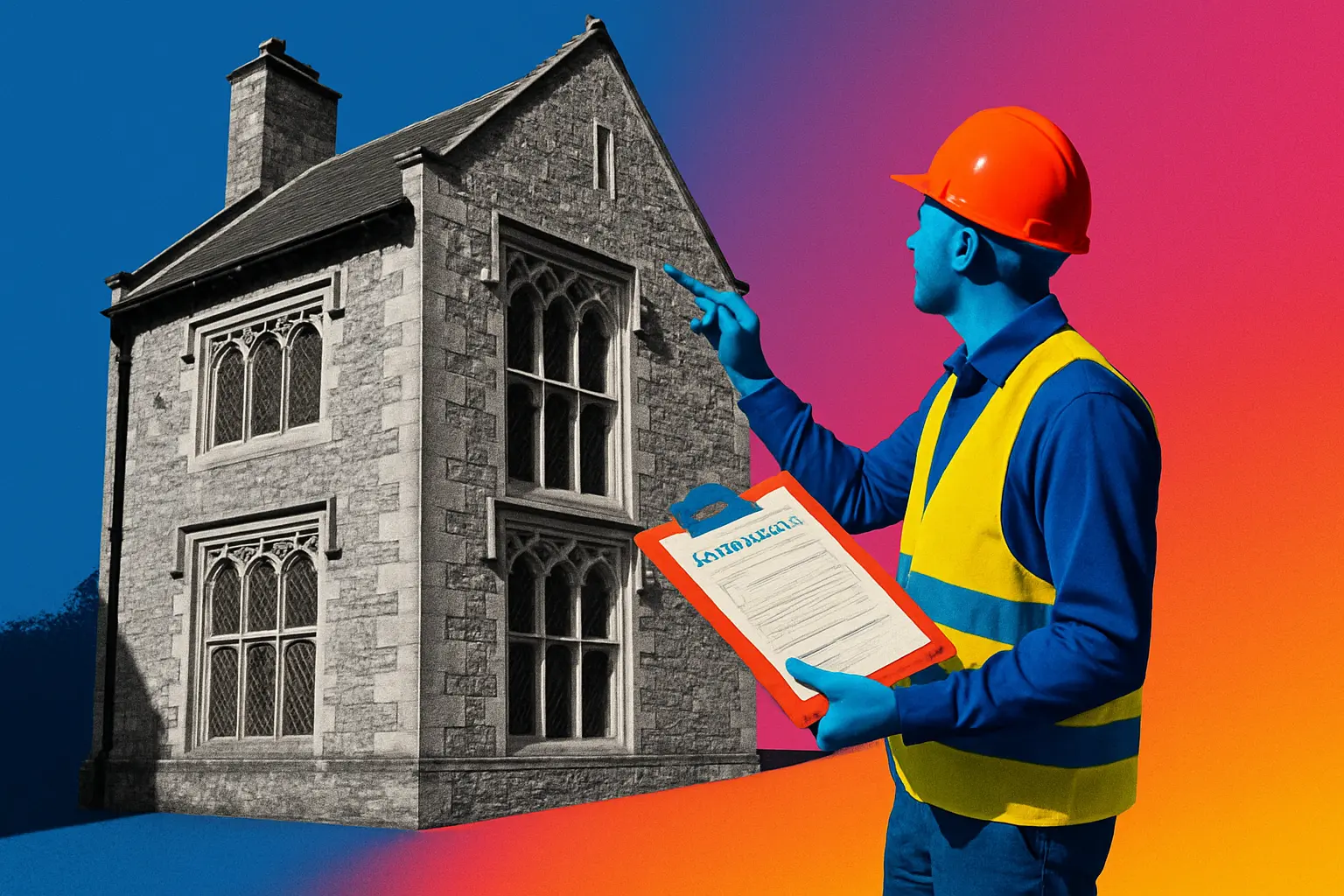
Why listed properties need specialist protection
Owning a listed home is a privilege, but it comes with responsibilities that standard insurance may not fully address. Listed building insurance is a specialist form of home cover designed to meet heritage requirements and the practical realities of restoring older properties after damage. It typically combines buildings and contents cover, with optional protections for items like art, antiques, and jewellery.
In the UK there are around half a million listed buildings. Rebuilding these homes often costs more than modern properties because repairs must use appropriate methods and materials, and specialist tradespeople are required. That is why premiums for period and listed homes can be roughly double those for standard houses. It also explains why some owners struggle at renewal if sums insured are too low for the real-world cost of reinstatement.
Underinsurance is widespread. Studies suggest only a small minority of UK properties are insured accurately, with a large share underinsured by tens of percent. Many policies are set at around two-thirds of true rebuild cost, which would leave a painful shortfall after a major loss. This risk is particularly acute for listed homes, where demolition, professional fees, debris removal and compliant restoration all add to the bill.
This guide sets out how listed building insurance works, what it typically covers, where the limits sit, and how to choose sensibly. The aim is simple - clear, practical information so you can protect your home without overspending.
Insurance can only do its job when sums insured and cover details are accurate.
What is covered in practice
Listed building insurance usually includes buildings cover for the structure, permanently fitted features and outbuildings, plus contents cover for your belongings. Policies can extend to accidental damage, alternative accommodation if your home becomes uninhabitable, and legal or home emergency support. For many historic homes, specialist contents cover for art, antiques and valuables is available, often on a new-for-old basis within defined limits.
Claims generally work like this: you report the loss, provide evidence such as photos and proof of value, and the insurer appoints experts to assess damage. Repairs are then arranged using approved contractors who can meet conservation standards. Some sections may carry excesses or specific limits for certain items or causes of loss. If your declared rebuild cost is too low, an average clause may reduce the payout proportionally, even on partial losses.
Be aware of exclusions. Wear and tear, gradual deterioration and poor maintenance are not usually covered. Unapproved alterations that breach listing rules can jeopardise claims. High-risk periods, such as extended unoccupancy, may require you to notify the insurer and comply with extra security or heating conditions. Flood risk areas, thatched roofs or timber frames are insurable, but often need enhanced risk management and accurate valuations to secure appropriate terms.
A transparent approach helps. Provide full details of the property, previous work, and any conservation constraints. This supports fair pricing and reduces the chance of disputes later.
Who benefits most
This cover suits owners of Grade I, Grade II* and Grade II listed homes across England and Wales, and listed properties in Scotland. It is also appropriate for non-residential listed buildings converted to dwellings, as well as mixed-use properties where a domestic portion requires specialist protection. Owners who hold valuable contents or collections benefit from policies that can accommodate high single-article limits and bespoke valuations.
If your home is a modern build with standard materials, a specialist listed policy may not be necessary and could cost more than you need to pay. Equally, if you are between renovations and the structure is unoccupied for long periods, you may need a different type of cover for renovation and unoccupied risks. The right product depends on use, occupancy and the nature of works planned.
A good rule of thumb - if conservation rules apply to how you repair or restore the property, you likely need specialist insurance.
Choosing your level of protection
-
Essential buildings only
- Focus: Core buildings cover for listed structures, meeting conservation requirements.
- Includes: Fire, storm, escape of water, theft-related damage, alternative accommodation limits.
- Limits: Lower single-article contents limits, accidental damage optional, stricter security conditions likely.
- Best for: Owners prioritising structural protection on a tight budget with modest contents.
-
Standard listed home package
- Focus: Buildings and contents with accidental damage to main areas.
- Includes: Higher alternative accommodation, trace and access for leaks, garden features, outbuildings.
- Options: Extended valuables cover, specified items, home emergency, legal expenses.
- Best for: Typical family occupancy with balanced structural and contents needs.
-
Comprehensive heritage cover
- Focus: Broad buildings and contents with specialist restoration and higher limits.
- Includes: Accidental damage across the home, valuables cover for art and antiques, higher single-item limits.
- Extras: Listed materials and craftsmanship allowances, matched pair and set cover.
- Best for: Higher-value homes or those with significant collections needing bespoke limits.
-
Optional add-ons to consider
- Non-standard roofing and thatch protections
- Flood resilience and excess buy-down options
- Cyber cover for smart-home systems and connected devices
- Listed garden structures, statues and gates
- Home emergency with trades on 24-7 standby
Match cover levels to verified rebuild and contents values. Avoid paying for limits you do not need, but do not compromise on sums insured.
Cost, pricing and the drivers behind it
| Item | Typical range or trend | Why it matters |
|---|---|---|
| Annual premium for Grade I | Around £663 median | Higher rebuild and specialist skills push costs up. |
| Period vs standard homes | Roughly double the price | Heritage rules increase materials and labour time. |
| Market trend 2024-2025 | Rising, then moderating | Claims costs and supply issues raised prices, easing slowly. |
| Rebuild valuation accuracy | Critical driver | Underinsurance reduces payouts through average clauses. |
| Location and flood/theft risk | Material impact | High-risk postcodes face higher premiums and excesses. |
| Roof type and construction | Significant | Thatch and timber may need enhanced protections and pricing. |
| Security and maintenance | Can lower cost | Approved locks, alarms and upkeep reduce claims likelihood. |
| Claims history | Increases premium | Recent or frequent claims weigh heavily on pricing. |
| Contents and valuables limits | Direct correlation | Higher limits and specified items raise the premium. |
Insurers paid out billions in recent property claims, which influences overall pricing. Budget with headroom for renewal changes.
Who can apply and what insurers may ask for
Most UK homeowners of listed properties can apply, including freeholders and leaseholders where buildings cover responsibility is clear. Insurers typically require accurate declared rebuild costs, which often means a professional reinstatement valuation. They may ask for schedules of works, evidence of previous conservation approvals, roofing and electrical inspection dates, and details of any protective measures such as alarms, water-leak detection or fire suppression, especially in thatched homes.
Applications can be declined if the property is in very poor repair, unoccupied for extended periods without appropriate protections, used for high-risk commercial activities, or if there is a history of serious subsidence, flooding without defences, or substantial non-compliant alterations. Be prepared to provide proof of ownership, photographs, and valuations for high-value contents. Full disclosure reduces the risk of a claim being challenged later.
From quote to claim - the simple path
- Gather details and a professional rebuild valuation if available.
- Get quotes from specialist insurers and compare cover limits.
- Choose a level that fits your budget and risk profile.
- Disclose materials, works, occupancy and security arrangements clearly.
- Buy the policy and store documents in secure digital and paper form.
- Maintain the property and complete requested risk improvements.
- If something happens, contact your insurer promptly with evidence.
- Cooperate with surveyors and approved contractors until restoration completes.
The upsides and trade-offs
| Pros | Cons or cautions |
|---|---|
| Tailored to conservation rules and heritage methods | Usually costs more than standard home insurance |
| Access to specialist contractors and materials | May require surveys, valuations and extra documentation |
| Higher limits for art, antiques and valuables | Average clause can reduce payouts if underinsured |
| Alternative accommodation for long restorations | Exclusions for wear and tear or unapproved works |
| Flexible add-ons for thatch, flood and security | Some risks may be declined or carry higher excesses |
| Stronger financial protection for complex rebuilds | Longer claim times due to specialist craftsmanship |
The biggest risk is underinsurance. Regular valuations protect both your finances and your peace of mind.
Key checks before you commit
Confirm the sum insured reflects full reinstatement to current standards, including demolition, professional fees and debris removal. Review excesses for escape of water, storm, subsidence and theft, as these can vary significantly. Make sure accidental damage and valuables limits match your needs, and understand any single-item caps or requirements to specify pieces.
Check unoccupancy conditions, security requirements and any endorsements tied to your roof type or heating. Understand how renewals are priced, as market conditions can shift year to year. Keep copies of valuations, receipts and photographs of key features and contents. Clear records support fair claim outcomes and reduce delays.
Related covers that may fit better
- Renovation and contract works insurance - if major works are planned, protecting the structure and the works in progress.
- Unoccupied property insurance - for extended vacancies during sales or phased refurbishments.
- High net worth home insurance - broader limits and specialist claims handling for complex homes and contents.
- Flood insurance options - including schemes or excess buy-downs in higher risk areas.
- Listed commercial property cover - if the building is let or used partly for business activities.
FAQs
Q: Why are listed property premiums higher than standard homes? A: Reinstating heritage features requires specialist materials and trades. Repairs take longer and must meet conservation rules. That increases expected claim costs, which raises premiums overall.
Q: How do I avoid underinsurance on a listed home? A: Arrange a professional rebuild valuation and update it regularly. Include demolition, fees and debris removal. Review sums insured at renewal and after any significant works.
Q: Will contents like art and antiques be covered? A: Many specialist policies include higher limits for valuables and can insure items on a specified basis. Check single-article limits and any conditions for valuations or security.
Q: What happens if I claim and my rebuild value is too low? A: An average clause may apply. If you are 25 percent underinsured, payouts may be reduced by 25 percent, even on partial losses. Accurate valuations help avoid this.
Q: Are thatched roofs or timber frames insurable? A: Yes, but insurers often require enhanced fire prevention, regular inspections and, in some cases, higher excesses. A detailed proposal and maintenance records are helpful.
Q: Are premiums rising in the UK? A: Many insurers experienced higher claim costs recently, which pushed prices up for some homes. The market is gradually stabilising, but listed properties can still face higher pricing.
Q: Can I switch insurer without losing protection for existing features? A: Yes, provided the new policy accepts the property details and sums insured. Share previous surveys and approvals so the new insurer can underwrite the risk accurately.
What to do now
Take stock of your property features, contents and any planned works. Obtain or update a professional rebuild valuation, then compare quotes from specialist insurers using the same sums insured. Move at your own pace, ask questions, and choose cover that matches your real risks and budget. You stay in control throughout.
Next step suggestion: schedule a rebuild valuation, then compare at least three specialist quotes.
Important notice
This guide provides general information only and is not personal financial advice. Policy terms, limits and exclusions vary by insurer. Always read your documents carefully and seek professional guidance where needed, especially for valuations and complex restoration requirements.