Getting protected - why insuring your kit matters
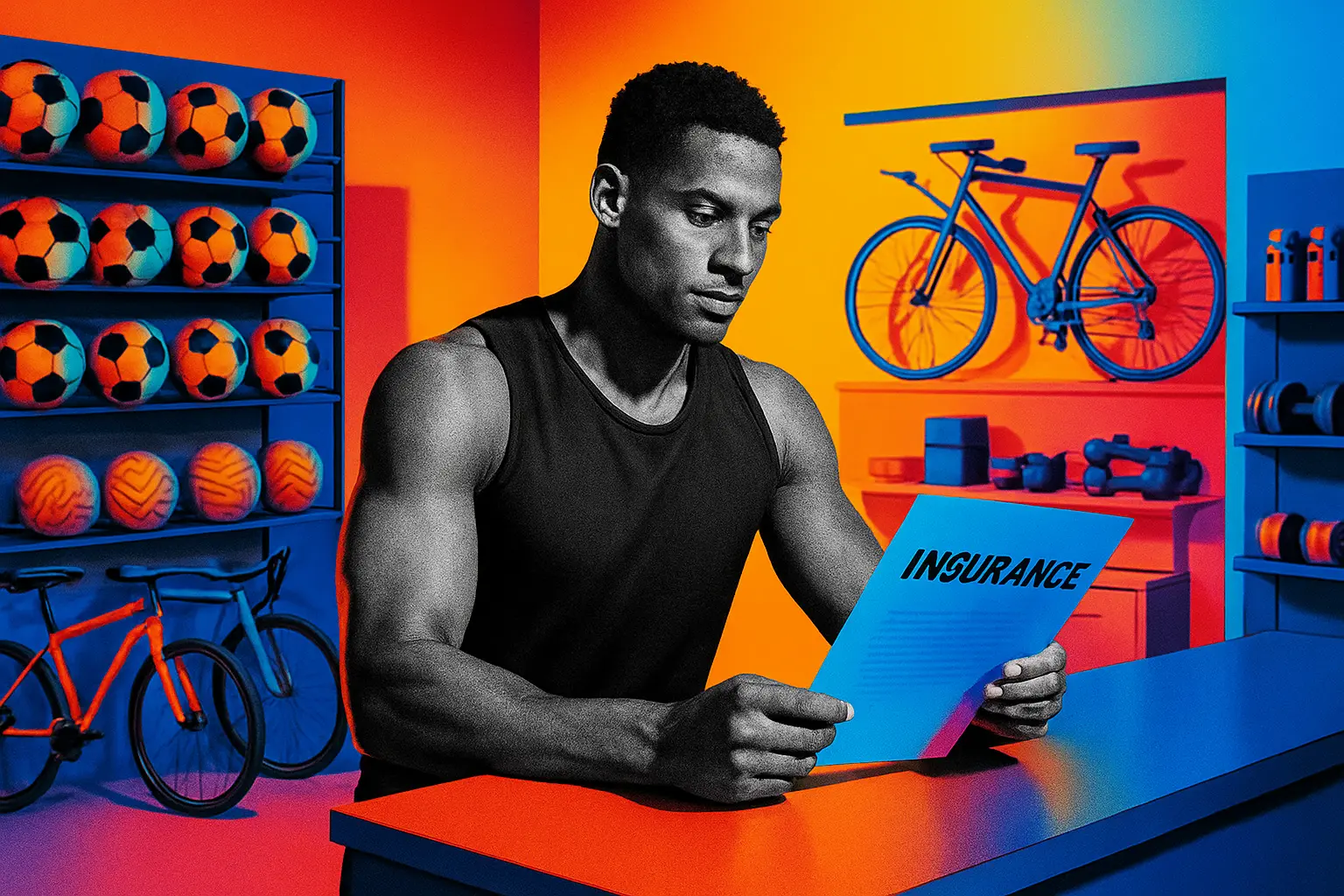
Sports equipment insurance is designed to pay for repair or replacement when your kit is stolen, damaged, or lost. It can also extend to public liability if you accidentally injure someone or damage property while using your gear, and to accessories that are easy to overlook. As the UK sporting equipment market expands - from bikes and rackets to fitness tech and protective gear - the value at risk is rising. Retail sales are projected to be substantial in 2025, while participation in gyms and community sport continues to grow. More use and higher prices mean greater exposure to theft, accidental damage, and transport mishaps.
At the same time, the UK insurance market is competitive in 2025. That can translate into broader cover choices and moderated rates for buyers who manage risk well. For consumers, this means it is an opportune moment to review protection, compare policies, and make sure cover limits match today’s kit values, not yesterday’s.
This guide sets out what sports equipment insurance typically covers, how claims work, and where limits sit. It is written to help you weigh up whether a standalone policy, a home contents extension, or business cover is the right fit. We will also flag common exclusions so there are no surprises at claim time. Insurance can offer real financial protection, but only when you understand what is covered - and where the gaps are. We will walk through the key points in plain English so you can feel confident about the choices you make.
A good policy matches the true value and real-world use of your kit - including where you store it and how you transport it.
What’s covered in practice and how claims usually run
Most sports equipment insurance covers theft, accidental damage, and loss for specified items, anywhere in the UK and often worldwide for a set period. Cover may include bicycles, rackets, bats, golf clubs, skis and boards, fitness and strength equipment, water sports kit, cameras used for sport, and protective equipment such as helmets and pads. Accessories - for example helmets for cyclists, heart-rate straps, and bike lights - can usually be added. Some policies extend to in-use cover, which is important for items likely to be damaged during play. Public liability is sometimes included or offered as an add-on if your activity injures someone or damages property.
Exclusions to expect include wear and tear, cosmetic damage that does not affect function, manufacturer defects better addressed by warranty, and unattended theft - for example a bike not secured with an approved lock to an immovable object. There may be restrictions on leaving kit in vehicles overnight or in communal areas. Professional use, rental, or coaching for reward may require a specialist policy. For connected equipment, data loss or cyber issues are usually excluded unless specifically included.
Claims are typically straightforward: notify the insurer promptly, provide proof of ownership and value, and share incident details such as a crime reference number for theft. Insurers may offer repair, replacement, or a cash settlement based on the sum insured and policy terms. For high-value items, valuations or photos are often required. Claims inflation - from higher repair costs and supply chain delays - can influence settlement amounts, so accurate sums insured and realistic expectations are important.
Who benefits the most - and when you may not need it
This insurance is useful if you own high-value kit that would be hard to replace from savings. Cyclists, golfers, skiers, racket-sport players, home gym owners, and content creators who use sports cameras gain particular value. It also suits regular travellers who take equipment abroad, clubs that own shared kit, and freelancers or professionals carrying gear between venues, provided the policy is set up for personal or business use as appropriate.
If your home contents policy already specifies your equipment with suitable all-risks cover, worldwide protection, and realistic single-item limits, a separate policy may be unnecessary. Equally, if the replacement cost is low or you seldom use the gear outside the home, you might rely on an existing contents extension. The key is to compare limits, excesses, and exclusions across policies, then choose the simplest route that still fits how you use your kit.
Picking a level of protection
-
Essentials cover
- Theft, accidental damage, and loss for named items in the UK.
- Lower single-item and total limits, higher excess.
- May exclude in-use damage and worldwide travel.
-
Standard cover
- UK and short-term worldwide protection with some in-use cover.
- Mid-range limits for single items and total claims.
- Accessories and protective gear included up to sub-limits.
-
Comprehensive cover
- Worldwide cover, including travel and transit, with in-use protection.
- Higher limits, new-for-old replacement up to the sum insured.
- Optional public liability and personal accident for certain sports.
-
Specialist bicycle policies
- Cover for racing, sportives, and e-bikes, often with event fee cover.
- Lock requirements, frame and wheel limits, and approved storage conditions.
-
Winter and water sports options
- Skis, boards, kites, surf craft, and dive equipment.
- Can include hire equipment cover and delayed baggage benefits.
-
Add-ons to consider
- Accidental damage while in use for high-impact sports.
- Worldwide extension beyond standard limits.
- Public liability for you or your club.
- Hire cover to keep you active while yours is repaired.
- Racing and event entry fees with parametric event cancellation where available.
What it may cost - and what drives the price
| Item value and cover level | Typical monthly range | Why it affects price |
|---|---|---|
| Up to £1,000 - basic cover | £4 - £8 | Lower sums insured and higher excess reduce premiums. |
| £1,000 to £3,000 - standard | £7 - £15 | Broader cover and moderate limits cost more. |
| £3,000 to £6,000 - comprehensive | £14 - £30 | Higher limits, worldwide and in-use protection increase risk. |
| £6,000+ - specialist/high value | £25 - £60+ | Bespoke underwriting, proof of value, and higher theft risk. |
| Pricing factor | Lower premium trend | Higher premium trend |
|---|---|---|
| Storage and security | Gold-standard locks, indoor storage | Communal or vehicle storage overnight |
| Use and activity | Recreational, non-competitive | Racing, heavy use, commercial use |
| Location | Low-theft postcode | High-theft postcode |
| Claims history | No recent claims | Multiple or high-value claims |
| Excess choice | Higher voluntary excess | Low or zero excess |
| Proof of value | Receipts and recent valuations | No documentation or outdated valuations |
Prices vary by insurer and market conditions. A softening UK market and strong risk management can improve terms, but claims inflation still influences rates.
Can you apply - and what insurers may ask for
Most UK residents aged 18 or over can apply. You will usually need to list items with make, model, and value, plus evidence of ownership. Bicycles often require proof of an approved lock and storage arrangements. For items over certain thresholds, a valuation or photos may be requested. If you want worldwide or in-use cover, confirm travel patterns and the sports you play.
Common reasons for decline include a history of fraud, unresolved non-disclosures, equipment used professionally where the policy is personal-only, repeated thefts from inadequate storage, or item values exceeding the insurer’s maximum limits. Being transparent helps avoid problems later. If the equipment is owned by a club or business, a commercial policy is likely to be more suitable and may also incorporate public liability and employer responsibilities where relevant.
The simple process from quote to claim
- Gather item details, values, and photos or receipts.
- Get quotes with the same limits, excess, and add-ons.
- Compare exclusions and storage requirements carefully.
- Choose a level that matches real-world use and travel.
- Buy online and receive policy documents by email.
- Register items and serial numbers in your account.
- If something happens, report the incident promptly.
- Submit evidence and follow repair or replacement steps.
Straight talk - advantages and watch-outs
| Pros | Cons |
|---|---|
| Financial protection for high-value kit you rely on | Premiums add to overall costs, especially for multiple items |
| Worldwide and in-use options for active lifestyles | Exclusions for wear and tear and unattended theft |
| Public liability add-ons for accidents during sport | Storage and lock rules can be strict and specific |
| New-for-old replacement on many policies | Claims inflation may affect settlement speed and availability |
| Flexible add-ons for travel, hire, and events | Professional use often needs separate specialist cover |
| Competitive UK market can mean better terms | Higher-risk postcodes or racing can raise premiums |
Key checks before you buy
Look closely at single-item and total limits to ensure they reflect current replacement costs. Check the excess you will pay on each claim and whether it applies per item or per incident. Read exclusions related to unattended vehicles, overnight storage, and approved locks for bikes. Confirm whether in-use accidental damage is included for your sport and whether worldwide cover is time-limited. Pay attention to renewal pricing, as introductory discounts can change. Make sure you can provide receipts or valuations where required, and understand any waiting periods before cover starts for certain benefits like event cancellation. Clear documentation upfront helps claims run smoothly.
Alternatives that may fit better
- Home contents with personal possessions cover - suitable if items are mainly used domestically and limits are adequate.
- Bicycle-specific insurance - for high-value bikes, racing, or specialist e-bike needs.
- Travel insurance with sports equipment cover - useful for short trips with rental or owned kit.
- Club or business insurance - for shared or commercial equipment and public liability.
- Gadget insurance - for wearables and sports tech if broader kit cover is unnecessary.
FAQs
Q: Is my bike covered if it is stolen from a car? A: Often only if it is out of sight, the car is locked, and you meet time and location limits. Overnight vehicle theft is commonly excluded. Check storage conditions and lock requirements.
Q: Do I need separate cover for racing events? A: Many standard policies exclude racing or time trials. Some insurers offer race-day extensions or specialist bicycle policies that cover event participation and entry fees. Confirm this before you enter.
Q: Does new-for-old mean I always get a brand-new replacement? A: New-for-old usually applies up to the sum insured and subject to availability. If the same model is unavailable, a similar specification or a cash settlement may be offered, minus any excess.
Q: Are wearables and fitness tech covered? A: Often yes, but sub-limits can apply to smartwatches, power meters, GPS units, and cameras. Accidental damage in use may require an add-on. Keep proof of purchase and serial numbers.
Q: Can I insure club-owned equipment? A: Club or business-owned kit typically needs a commercial policy. These can add public liability, employer responsibilities, and wider protection for shared storage and multiple users.
Q: Will premiums rise if I make a claim? A: A claim can affect renewal terms. Insurers review claims frequency and value alongside market conditions. Good security and accurate sums insured may help moderate any increase.
Q: Is worldwide cover unlimited? A: Usually not. Many policies cap the number of days abroad per trip or per year. Some countries or activities may be excluded. Check limits before travelling.
What to do next
Make a clear inventory, gather receipts, and estimate current replacement values. Compare like-for-like quotes with identical limits and excesses. Read exclusions carefully, especially around storage, in-use cover, and travel. When you are comfortable, choose the option that fits how you actually use your kit. You stay in control throughout.
Important note
This guide provides general information only and is not personal financial advice. Policy terms vary by insurer. Always read your policy schedule and wording carefully to understand cover, limits, exclusions, and your obligations before you buy or claim.