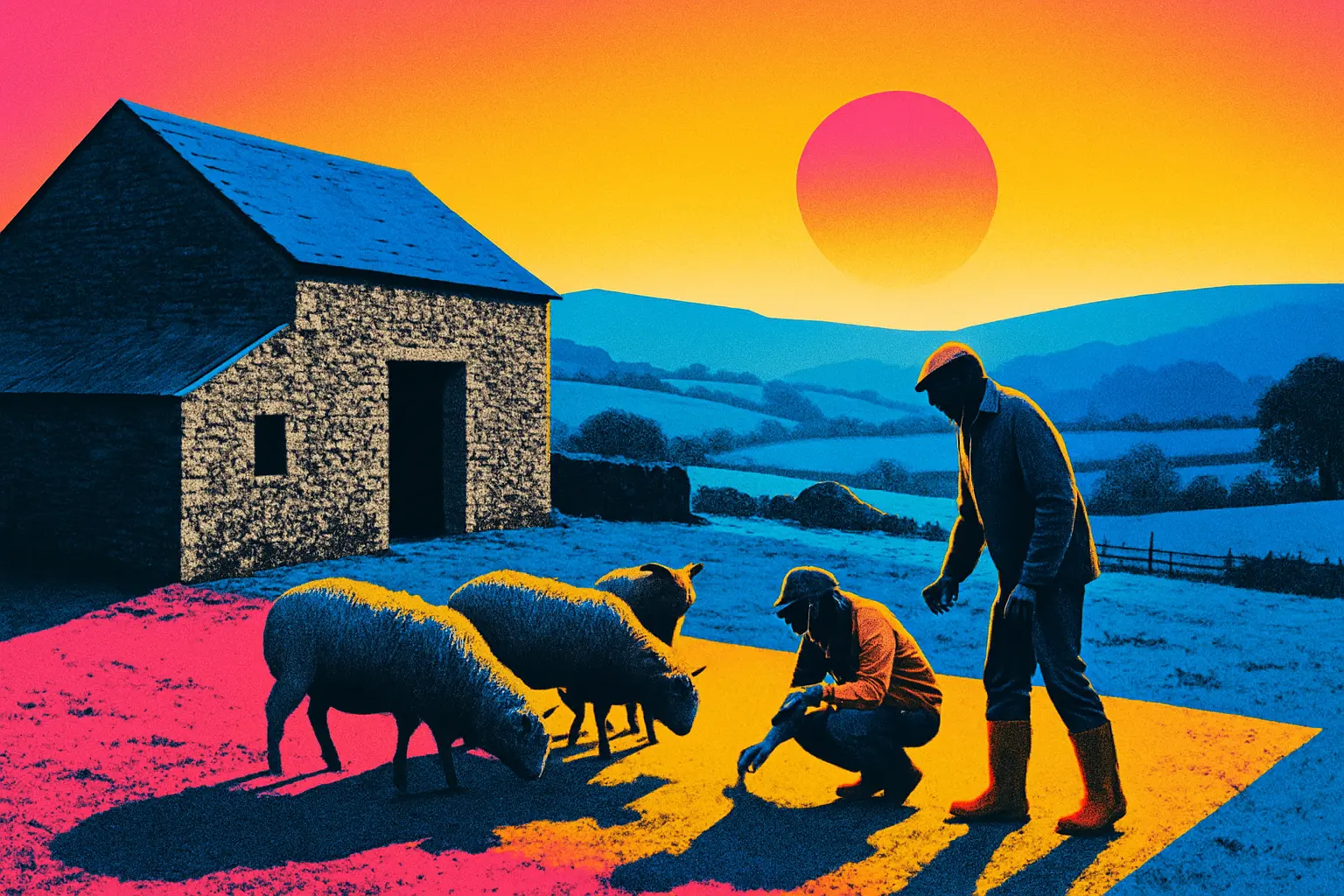
A clear guide for UK smallholders
Smallholding insurance is designed to protect rural properties, livestock, machinery, and the liabilities that come with running a small agricultural enterprise. It sits between home and full farm insurance, giving flexible protection for mixed activities like keeping a few cattle or sheep, seasonal produce, holiday lets, or light contracting. If something goes wrong - a visitor is injured, a quad bike is stolen, or storms damage outbuildings - the right policy can help cover repair bills, legal costs, and lost income.
The risks are real. Agriculture remains one of Great Britain’s most dangerous industries, with fatality rates far higher than the national average. Smaller operations and self-employed workers carry heightened exposure, which is why risk management and appropriate insurance go hand in hand. Rural crime also continues to pressure smallholdings, with organised theft targeting livestock and high-value equipment. At the same time, many rural SMEs remain underinsured, often due to evolving activities that drift beyond what their original policy covered.
Post-Brexit changes to funding, markets, and practices have also reshaped risk, particularly where smallholders diversify into agritourism, direct sales, or new crops. An ageing workforce increases the need for sensible liability, personal accident, and succession planning options. Finally, regulatory costs have risen, making access to legal support and cover for investigations an important safety net.
This guide walks through what smallholding insurance typically includes, how claims work, and the choices you can make to tailor cover to your risks. We will keep the language plain and the expectations realistic so you can take confident, informed steps.
What is covered and how claims work
Most smallholding policies combine property and liability cover under one policy. Core sections typically include public liability for injury or damage to third parties, products liability where you sell produce, employer’s liability if you have staff or volunteers, and material damage for buildings, tools, and machinery. Livestock cover usually protects against defined perils like accident, disease, theft, and weather events. Business interruption helps replace lost income after an insured incident, such as a storm-damaged barn that halts operations.
There are limits and exclusions. Wear and tear, gradual deterioration, and poor maintenance are not insured. Some perils, like disease in livestock or working dogs, may require specified cover and clear biosecurity measures. Diversified ventures such as glamping, farm shops, or workshops often need specific endorsements or additional sections to be valid. High-value machinery and quad bikes usually require approved security, marking, and storage conditions.
Claims are straightforward but evidence driven. If a visitor slips in your yard and is injured, public liability may respond, subject to policy terms, your duty of care, and reasonable precautions. If thieves take a tractor overnight, the insurer will want proof of ownership, security arrangements, and a crime reference number. For storm damage to outbuildings, photographs, invoices, and an assessor’s report are typically needed. Most policies apply an excess, and underinsurance rules can reduce payouts if sums insured are too low. Being accurate and honest at application helps claims run smoothly.
Who benefits and when it may be unnecessary
Smallholding insurance is most suitable for UK smallholders who keep livestock, use agricultural machinery, invite the public onto their land, sell produce, or run diversified rural activities. It suits properties that blend home life with light agricultural or land-based business use, where standard home insurance would not adequately cover liabilities, tools, or outbuildings.
It can also be helpful for part-time or hobby farmers who sell surplus produce, host workshops, or employ seasonal help. Those with older machinery or valuable working dogs often find tailored protection worthwhile. If you purely use your land for private recreation, keep no livestock, have no visitors beyond friends and family, and hold no public events or sales, a specialist policy may be unnecessary. In such cases, discuss with your home insurer whether an endorsement can meet your needs. The key is to match cover to actual activities, not an idealised version of the holding.
Choosing your level of protection
-
Essential cover
- Public liability and products liability with sensible limits suitable for visitors and light sales.
- Material damage for small tools, fences, and basic outbuildings at modest sums insured.
- Suitable if you keep a few animals and do not run regular public events.
-
Standard cover
- Everything in Essential, plus livestock cover for theft, accident, and specified diseases.
- Machinery cover for tractors, ATVs, and trailers with approved security.
- Business interruption for income loss after insured damage.
- Fits smallholders with regular sales, small farm shops, or occasional workshops.
-
Comprehensive cover
- Higher liability limits, broader livestock sections, and wider perils for buildings.
- All-risks options for portable equipment and working dogs.
- Extended business interruption including increased cost of working and longer indemnity periods.
- Best for diversified holdings or higher-value machinery and buildings.
-
Optional add-ons
- Legal expenses and regulatory defence, including support during HSE investigations.
- Personal accident for owners and family helping on the holding.
- Cyber and data cover if you take online bookings or card payments.
- Seasonal workers and volunteers extension where applicable.
- Event cover for open days, glamping, workshops, and farm tours.
What it costs and what shapes your premium
| Factor | Typical impact | Notes for smallholders |
|---|---|---|
| Level of cover | Higher cover increases premium | Liability limits and wider perils raise costs. |
| Location | Rural crime hotspots pay more | Theft and livestock rustling trends influence rating. |
| Sums insured | Directly proportional | Buildings, machinery, and livestock values drive price. |
| Security measures | Discounts for strong security | Trackers, immobilisers, locked barns, and CCTV help. |
| Diversified activities | Adds cost if riskier | Glamping, events, or on-farm workshops need extensions. |
| Claims history | Previous claims raise premium | Good risk management can stabilise renewal terms. |
| Workforce | Employer’s liability adds cost | Seasonal labour and volunteers must be declared. |
| Age and experience | Mixed impact | Training and safe systems can offset higher perceived risk. |
Typical annual premiums range from a few hundred pounds for small, low-risk holdings to several thousand for larger properties with high machinery values, public access, or multiple revenue streams. Prices vary between regions and providers. Accurate declarations, up-to-date valuations, and documented security measures help control costs. Avoid underinsuring - average clauses can reduce payouts if sums insured are too low relative to actual replacement values.
Can you apply? Eligibility at a glance
Most UK residents who own or rent a smallholding can apply, including sole traders, partnerships, and limited companies. Insurers will ask for details of land size, livestock numbers, machinery values, building construction, business activities, turnover, and past claims. If you run public events, accept bookings, or sell produce, you will need to declare this clearly. Where staff or volunteers are involved, employer’s liability is usually a legal requirement.
Common restrictions include poor security for high-value kit, significant unrepaired defects, or a history of serious losses. Insurers may also decline where there are unresolved HSE notices, prior prosecutions, or inadequate risk controls for higher-risk activities. You will likely be asked for proof of ownership, maintenance records, health and safety documentation, and photos of buildings and security. Being transparent reduces the risk of declined claims later.
From quote to claim in simple steps
- Gather details of assets, activities, turnover, and any previous claims.
- Request quotes and confirm required liability limits and sums insured.
- Review exclusions, excesses, and security conditions line by line.
- Choose cover levels and optional extensions that match your risks.
- Complete the proposal carefully and keep evidence of disclosures.
- Maintain security and safety measures specified in your policy schedule.
- If something happens, contact the insurer promptly and document everything.
A balanced view - advantages and trade-offs
| What you gain | Why it helps | Potential downside | When it matters |
|---|---|---|---|
| Tailored cover for rural risks | Livestock, machinery, liabilities under one policy | Higher cost than home insurance | Mixed home-business smallholdings |
| Public and products liability | Protects against injury and product claims | Limits and exclusions apply | Visitors, markets, and farm-gate sales |
| Business interruption | Replaces income after insured damage | Not for all causes of loss | Storm or fire halting operations |
| Legal expenses support | Helps with investigations and disputes | Scope varies by policy | HSE visits and contract issues |
| Flexible diversification add-ons | Covers glamping, events, workshops | Requires accurate disclosure | New ventures and side incomes |
| Security-linked savings | Discounts for trackers and locked barns | Upfront investment needed | High-value machinery and ATVs |
Insurance can protect your livelihood, but only if it matches what you actually do on the holding.
Key checks before you commit
Read the schedule and wording together to identify exactly what is covered, the limits that apply, and any conditions you must meet. Pay attention to excesses for theft and storm damage, as these can differ by section. Confirm whether livestock diseases are named perils or excluded unless specified. Check if unoccupied buildings have reduced cover or inspection requirements. For business interruption, verify the indemnity period and how income is calculated. Ask whether renewal pricing is based on claims performance or wider market movements. Keep valuations current to avoid underinsurance, and maintain evidence of security devices, maintenance, and stock numbers. If you change or add activities during the year, tell your insurer promptly.
Alternatives you might consider
- Public liability only - useful if you host occasional visitors but hold minimal assets.
- Home insurance with agricultural endorsement - limited, but can suit very small private holdings.
- Machinery and tools insurance - standalone cover for specified high-value equipment.
- Livestock mortality insurance - tailored protection for pedigree or high-value animals.
- Business interruption only - for those leasing premises with separate property cover.
- Legal expenses and regulatory defence - added support for inspections and disputes.
Straight answers to common questions
Q: Is smallholding insurance legally required in the UK? A: No, but employer’s liability is usually compulsory if you employ anyone. Public liability is not a legal requirement, yet it is strongly recommended where visitors, sales, or events occur.
Q: Will home insurance cover my smallholding activities? A: Standard home policies rarely cover agricultural liabilities, machinery, or livestock. Some insurers may add limited endorsements, but a specialist smallholding policy is typically needed for business use.
Q: How can I reduce the risk of theft and lower premiums? A: Use approved locks, immobilisers, trackers, and secure overnight storage. Mark equipment, keep records, and follow local police advice. Insurers may offer discounts for verified security measures.
Q: What counts as diversification and do I need to tell my insurer? A: Activities such as glamping, workshops, farm shops, catering, or contract work are diversification. Always disclose them. Undeclared ventures may not be covered and can affect claims.
Q: What is underinsurance and why is it a problem? A: If your sums insured are below true replacement values, average may apply, reducing any payout proportionally. Regular valuations and inventory checks help avoid this outcome.
Q: Does the policy cover regulatory investigations? A: Many policies offer optional legal expenses that include support for health and safety investigations. Check scope, limits, and any reporting requirements before relying on this cover.
What to do next
List your activities, assets, and visitors, then compare policies that match your real risks. Read the wording carefully, especially exclusions and conditions. If you are unsure about a section, ask for clarification in writing. Take your time, keep a record of disclosures, and choose a level of cover that fits both your budget and your exposure.
Important information
This guide is general information, not personal financial advice. Smallholding insurance varies by provider, and cover depends on your circumstances. Always read the policy wording and schedule, check limits and exclusions carefully, and seek professional guidance if you need personalised advice.