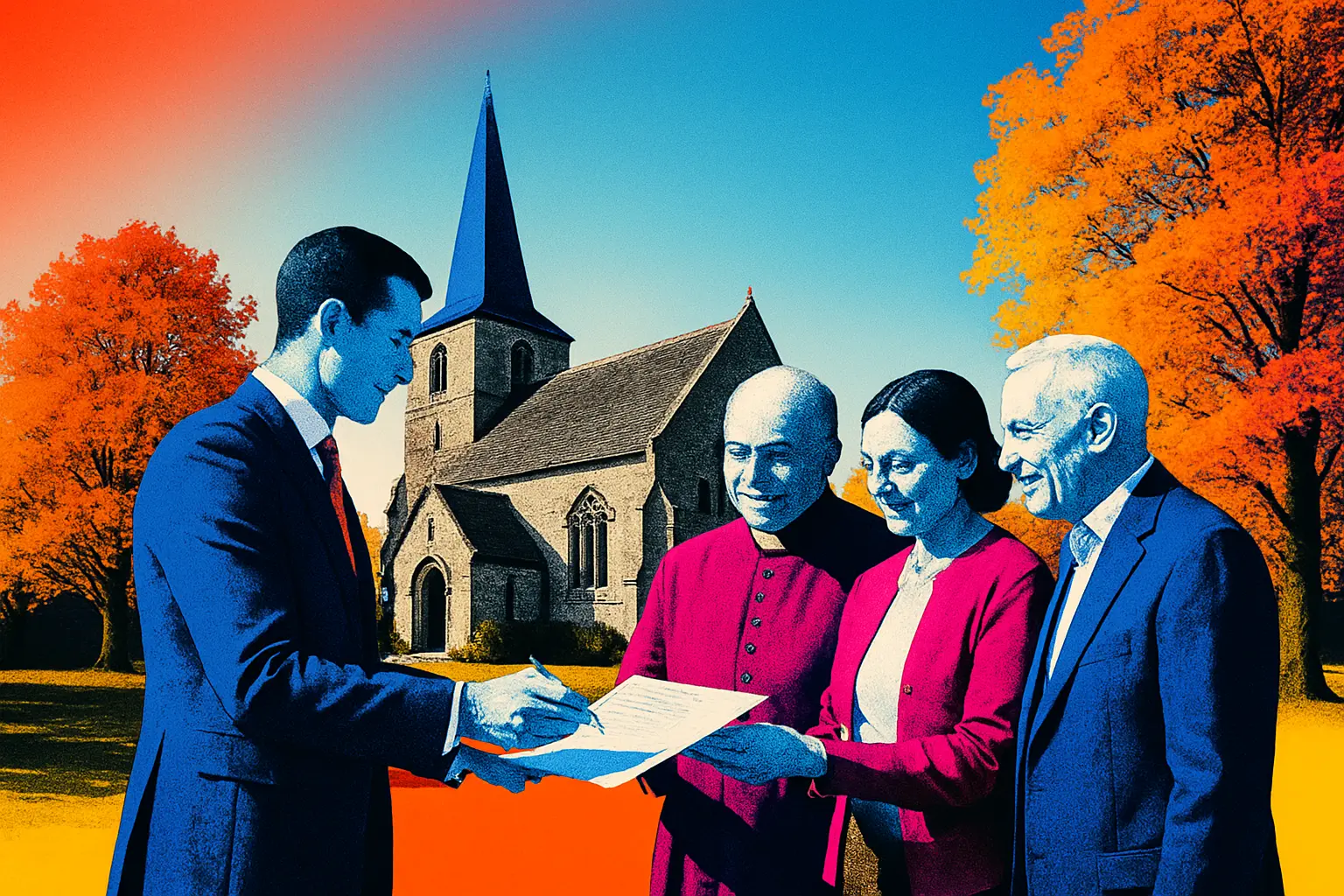
Why churches need specialist cover
Church insurance protects buildings, contents, people, and activities linked to places of worship. It combines property, liability, and specialist extensions to reflect how churches operate - from worship and community groups to heritage preservation. For many churches, insurance is a legal and practical safeguard that supports day-to-day ministry and recovery after damage.
Insurers price risk based on exposure and claims trends. Recent UK market data shows specialist church insurers have reported strong underwriting results, helped by lower weather losses in some years and investments in risk management. In 2024, one leading UK church insurer reported a markedly improved combined operating ratio and a solid insurance result. In early 2025, growth continued despite some storm claims, supported by strong retention, new business, and improved investment returns. This matters because financially stable insurers are better placed to handle complex claims and support long-term protection for iconic buildings.
Insurance will not prevent loss - but it can fund repairs, temporary worship arrangements, or liability claims arising from accidents. It also supports safeguarding volunteers and visitors, enables event permissions, and provides reassurance to trustees. This guide explains what church insurance usually includes, how claims work, and the points to check before you buy. Our aim is simple: clear, balanced information so you can choose cover that fits your building, your people, and your budget.
Insurance can protect your church finances - but only when cover matches real risks.
What is included and how claims flow
Church policies typically combine several sections. Building insurance covers the structure - stonework, roofs, stained glass, spires, and fixed features - often on a reinstatement basis. Contents insurance protects movable items such as pews, sound systems, musical instruments, computers, and communion silver. Liability sections usually include public liability for injuries to visitors, employer’s liability for staff and volunteers, and trustee liability for governance decisions. Many policies add money cover, personal accident for volunteers, and legal expenses. Some offer organ and bell cover, and protection for key community assets.
Claims usually involve contacting the insurer or broker, mitigating further damage, and providing photos, invoices, and a description of events. For example, a burst pipe may be covered if maintenance is reasonable and the cause is sudden and unforeseen. Theft of lead might be covered if security measures meet policy conditions. Event-related incidents can be covered if risk assessments and controls were in place. Insurers may appoint loss adjusters for larger claims to assess damage and agree repairs.
There are limitations. Wear and tear, gradual deterioration, defective design, and pre-existing damage are commonly excluded. Unoccupied buildings can face reduced cover unless additional conditions are met. Flood and storm damage is typically covered, but very high-risk locations may face higher excesses or terms. Historic features may require specialist repair methods and accurate sums insured to avoid underinsurance. Always read endorsements that set out specific requirements, such as electrical inspection intervals or minimum security.
Who benefits most
Specialist church insurance is designed for religious buildings, congregations, and trustees responsible for places of worship used by the public. It suits churches hosting regular services plus community activities such as food banks, toddler groups, concerts, and warm spaces. Heritage churches with stained glass, towers, or bells benefit from tailored cover that considers conservation methods and the true cost of reinstatement.
It is also relevant for churches with volunteers, paid staff, or property-owning charities linked to the building. If your church hires out halls or runs events, liability cover protects against injury or property damage claims. Churches with collections or significant musical instruments can insure these separately at agreed values.
It may be less necessary for congregations meeting in rented venues where the landlord’s building policy applies, and only minimal contents are owned. In such cases, a smaller liability-only policy or event insurance might be more suitable.
Choosing a level of protection
-
Buildings-only cover
- Protects the structure against insured perils such as fire, escape of water, storm, and flood. Suitable when contents are limited. Usually requires an accurate rebuild valuation and compliance with security and maintenance conditions.
-
Buildings and contents
- Adds protection for movable items like audio-visual equipment, furniture, and communion silver. Appropriate for active churches with community use and valuable equipment. May include options for accidental damage.
-
Full church package
- Combines buildings, contents, and liabilities. Typically includes public liability, employer’s liability, trustee liability, money cover, personal accident, and legal expenses. Best for most churches with volunteers and events.
-
Optional add-ons
- Listed items cover for musical instruments, bells, organs, and artefacts at agreed values.
- Out-of-premises cover for events, outreach, or temporary exhibitions.
- Cyber cover for parish systems, donation platforms, and data protection risks.
- Terrorism cover for properties in higher-risk urban locations.
- Loss of income or increased cost of working to fund temporary worship locations after a claim.
-
Specialist heritage features
- Cover for stained glass, spires, towers, and stonework that may require specialist craftsmen. Insurers may ask for regular inspections and agreed security to manage theft and vandalism risk.
Pick the level that mirrors how your church actually operates - building, people, and activities.
Price drivers at a glance
| Cost area | Typical range in GB | What increases cost | What can reduce cost |
|---|---|---|---|
| Buildings sum insured | £500k - £10m+ | Heritage fabric, spires, specialist materials | Accurate valuation, risk surveys, maintenance plans |
| Contents sum insured | £10k - £250k+ | High-value instruments, AV kit, artefacts | Itemised security, safes, asset registers |
| Public liability limit | £2m - £10m | Large events, external hires | Controlled capacities, risk assessments |
| Employer’s liability | Usually £10m | Paid staff, many volunteers | Clear H&S training, supervision |
| Excesses | £100 - £5,000 | Choosing lower excesses | Higher excesses cut premium but raise claim cost |
| Location risk | Low to high | Flood zones, theft hotspots, storm exposure | Alarms, flood defences, roof inspections |
| Claims history | Clean to frequent | Multiple or large losses | Documented remediation, security upgrades |
| Cover breadth | Basic to comprehensive | Add-ons and high limits | Only buy cover you need |
Prices vary by insurer and risk. Use these ranges as a directional guide only.
Who can apply and what insurers check
Most UK churches, chapels, and faith groups can apply, including registered charities and trusts. Insurers ask about construction, age, listed status, occupancy, heating systems, electrical inspections, roof condition, and security. They also review sums insured for buildings and contents, community use, safeguarding practices, and any hire agreements. For heritage sites, they may request surveys or valuations to confirm the rebuild cost and conservation methods.
Applications usually require recent accounts for the managing charity, risk assessments for events, and confirmation of governance arrangements. Common reasons for decline include significant unrepaired damage, ongoing structural issues, repeated theft without improved security, or inaccurate disclosures. Unoccupied or partially closed churches can still be considered but often face stricter conditions such as weekly inspections, drained water systems, and restricted perils.
From quote to claim - step by step
- Gather building details, valuations, activities, and security information.
- Request quotes and compare limits, exclusions, and key endorsements.
- Select cover levels that reflect buildings, people, and events.
- Confirm sums insured using professional valuations where possible.
- Review excesses and affordability before you proceed to purchase.
- Receive policy documents and meet any risk management conditions.
- If loss occurs, act to prevent further damage and notify promptly.
- Provide evidence, cooperate with adjusters, and agree reinstatement plans.
Balanced view - strengths and limits
| Pros | Cons |
|---|---|
| Tailored protection for heritage buildings and community activities | Higher premiums for listed or high-risk properties |
| Combines property, liability, and volunteer protection in one policy | Exclusions for wear and tear, gradual damage, or poor maintenance |
| Strong UK insurer performance supports claims reliability | Underinsurance risk if rebuild values are underestimated |
| Claims service recognition and customer trust ratings in the UK market | Unoccupied buildings may face restricted cover and conditions |
| Add-ons for organs, bells, and events beyond the premises | Higher excesses in flood or theft-prone areas |
| Risk management support and surveys can reduce incidents | Compliance requirements add admin for small congregations |
Financially resilient insurers with strong underwriting and service awards can give added confidence at claim time.
Checks before you commit
Confirm the buildings sum insured reflects a full like-for-like rebuild, including professional fees, debris removal, and specialist conservation. Review endorsements carefully - many policies require periodic electrical inspections, minimum security, and roof maintenance. Check excesses for specific perils like escape of water, theft of metals, and flood, as these may vary. Understand exclusions for gradual deterioration and defective workmanship so maintenance remains a priority. Look at renewal pricing and any claim-related terms that may affect next year’s premium. Keep clear documents - valuations, inventories, risk assessments, and photographs - to support a faster claim.
Alternatives worth considering
- Public liability only - When you do not own the building but run activities with volunteers and visitors.
- Event insurance - For large one-off services, concerts, or fairs where extra liability or cancellation cover is needed.
- Equipment insurance - For high-value instruments or AV kit that travels between venues.
- Property owner’s insurance - If the church building is leased to third parties and you primarily need landlord protections.
- Cyber insurance - If you process donations, bookings, or sensitive data and want dedicated cyber incident support.
Common questions, clear answers
Q: Do we need a professional rebuild valuation? A: It is strongly recommended, particularly for heritage or listed buildings. Accurate valuations reduce the risk of underinsurance, which can reduce claim payments proportionally if sums insured are too low.
Q: Are volunteers covered as employees? A: Employer’s liability typically extends to volunteers, but check your policy wording. Some policies also include personal accident benefits for volunteers injured while helping the church.
Q: Will metal theft be covered? A: Often yes, but insurers may require specific security, alarms, or protective coatings. High-theft areas can have higher excesses or conditions. Always follow risk recommendations after any incident.
Q: Can we host community events under our standard policy? A: Many policies cover typical community use if risk assessments and controls are in place. Large or unusual events may need notification or an extension. Review hire agreements and capacity limits.
Q: How do insurers view claims history? A: A pattern of frequent or large losses can increase premiums or restrict terms. Demonstrating improvements - such as upgraded security or maintenance - can help restore favourable terms over time.
Q: Are UK church insurers financially stable? A: Recent results from specialist insurers show strong underwriting performance, improved efficiency in some years, and good investment returns. This supports claims capacity, but always assess each insurer on its own merits.
Q: What about Scotland, Wales, and regional support? A: Many insurers provide UK-wide service and have expanded regional teams, including offices in Scotland, to improve local risk support and claims responsiveness.
Where to go next
Take time to gather accurate building and contents values, plus details of activities and security. Compare quotes like for like, paying close attention to limits, exclusions, and endorsements. If something is unclear, ask the insurer or broker to explain it in plain English. Move forward only when you are comfortable that the cover matches your church’s risks and budget.
Important note
This guide is general information, not personal financial advice. Cover varies by insurer and policy wording. Always read your documents carefully, check endorsements and exclusions, and seek professional guidance if you are unsure about suitability.