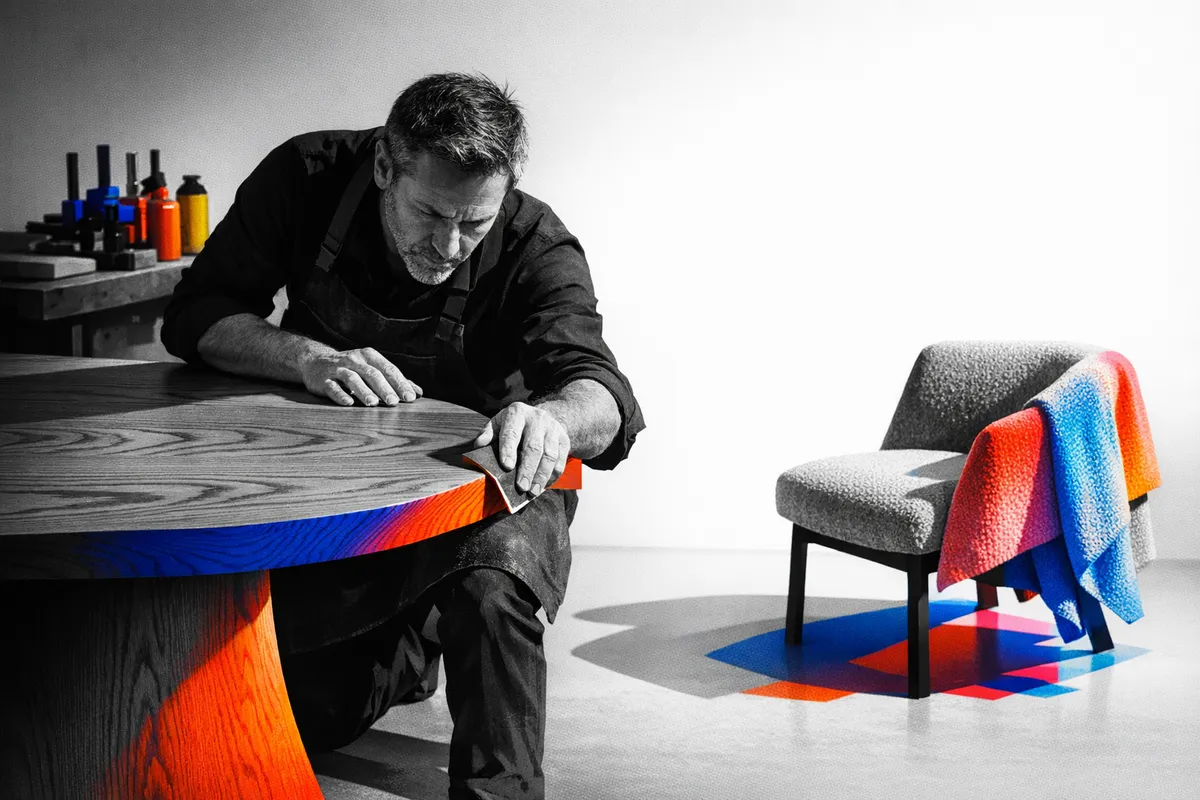

Premium furniture is rising - finance can bridge the gap
UK customers are increasingly choosing fewer, better pieces. High living costs make people more cautious, but it also pushes many households to invest in durable, long-lasting furniture rather than replace cheaper items repeatedly. That trend is especially strong for bespoke and modular designs that suit smaller UK homes and flexible living.
At the same time, the market signals are positive for makers and retailers. The UK furniture market is projected to grow to around £38.21bn by 2031 (about 5.18% CAGR), and UK furniture manufacturing generated £10.8bn in sales in 2024, supporting more than 225,000 jobs across the supply chain. Globally, bespoke furniture is forecast to grow at roughly 7.6% CAGR to 2033, and customized furniture is expected to reach about $52.7bn by 2034.
What this means in plain English is simple: demand for craftsmanship, sustainability, and personalization is growing, but bespoke pricing can create a cashflow hurdle at checkout. Offering finance can make premium, eco-conscious choices accessible without discounting your work or rushing customers into a decision.
Finance can increase affordability, but only when it is offered transparently, responsibly, and with the customer’s best interests in mind.
Who this is built for
This is for UK furniture businesses that sell higher-ticket items and want to let customers spread the cost: bespoke makers, studios, showrooms, online configurators, and fit-out specialists supplying residential clients or commercial buyers like hotels and hospitality venues. It is also relevant if you sell modular, space-saving pieces aimed at urban renters, build-to-rent, or co-living, where flexibility is a key buying driver.
If you are considering adding finance because more customers are asking, because your average order value is increasing, or because you want to compete with larger retailers without cutting prices, this guide will help you understand the options and the key checks to make before you launch.
What "offering finance" actually means in practice
Offering finance usually means you give customers a way to pay over time while you still get paid in line with an agreed settlement schedule. In most cases, a specialist lender provides the credit, and you act as a credit broker introducing the customer to that lender. The customer signs a regulated credit agreement with the lender, not with you.
For bespoke furniture, finance can be particularly useful because pricing is driven by materials, labour, design time, and sustainability choices. Eco-friendly materials and durable construction are exactly what many UK buyers say they want, but these features can raise the upfront cost. Finance can help a customer choose the long-lasting option without compromising on quality.
You might offer:
- Interest-free credit (you typically subsidise the interest cost)
- Interest-bearing instalment loans (the customer pays interest)
- Buy now, pay later style options (where available and suitable)
- Deposit plus staged payments aligned to production milestones
Because UK furniture buying is increasingly digital, finance is often integrated into e-commerce or remote design journeys, where online platforms and visualization tools are expanding reach quickly. The key is that the finance offer must be clear, fair, and easy to understand before the customer commits.
How to set it up - step by step, without the confusion
Start by deciding what you want finance to achieve: higher conversion on premium quotes, fewer abandoned baskets online, or better cashflow certainty for long lead-time projects. Then work backwards into a structure that is realistic for your product and your customers.
A sensible setup process looks like this:
- Choose your finance model: third-party lender (most common), or in-house credit (usually higher regulatory and credit risk).
- Define the customer journey: when you introduce finance (quote stage, checkout, or after deposit), and how you present representative examples.
- Match terms to bespoke timelines: if your pieces take weeks to make, confirm how deposits, cancellations, and delivery dates interact with the credit agreement.
- Align with online and in-person sales: e-commerce tools can widen your audience, but the finance explanation must remain consistent across your website, showroom, and phone sales.
- Train staff: they should be able to explain key points calmly, including total cost, APR (if applicable), and what happens if a customer misses payments.
- Set up compliant marketing: your website banners, social ads, and showroom signage may count as financial promotions. They must be clear, fair, and not misleading.
For growth segments, consider tailoring: modular, multifunctional designs are rising in UK rentals and co-living, and hospitality buyers often want unique finishes at volume. Both can benefit from structured payment options, but commercial finance and consumer credit are not the same, so get the right product for the right customer type.
Why finance can help a bespoke furniture business grow responsibly
When customers choose bespoke, they are often buying identity and longevity, not just a chair or a table. Over 65% of homeowners say they prefer furniture that matches their specific aesthetic and function, and in small UK homes that may mean bespoke storage, modular layouts, and multifunctional pieces. Those requirements can raise order values, especially when sustainability and craftsmanship are priorities.
Finance can support growth in three practical ways.
First, it can reduce the need to discount. Instead of cutting price to win a sale, you can offer a manageable monthly cost while preserving the value of your workmanship.
Second, it can increase conversion for premium options. Eco-friendly materials and durable construction often cost more upfront. Finance can help customers choose the better long-term option, particularly in a high cost-of-living environment.
Third, it can open new segments. The UK furniture market is projected to continue expanding through e-commerce, premium demand, and sustainability. Bespoke is also supported by strong global growth forecasts, and hospitality fit-outs can involve larger orders where structured payments may improve procurement decisions.
Finance is not about pushing people to spend more - it is about giving a clear, controlled way to pay for something they already value.
The trade-offs: benefits and drawbacks side by side
| Aspect | Pros | Cons |
|---|---|---|
| Affordability | Customers can spread the cost, which can increase conversions on high-ticket bespoke orders. | If not explained well, customers may focus on monthly cost and overlook total cost. |
| Average order value | Can support upgrades to sustainable materials, premium finishes, or modular add-ons. | Risk of encouraging over-specification if sales teams are not properly trained. |
| Cashflow | Often more predictable if the lender settles promptly. | Settlement timing, refunds, and cancellations can be complex with made-to-order items. |
| Trust and brand | Transparent finance can build confidence and reduce price anxiety. | Poorly presented finance or unclear promotions can damage trust and create complaints. |
| Compliance | Using an established lender can provide compliance support and systems. | You may have regulatory obligations as a credit broker and for financial promotions. |
| Customer outcomes | Structured payments can be manageable when affordability is assessed. | Missed payments can harm a customer’s credit file and cause financial stress. |
Things to check carefully before you launch
Bespoke furniture and finance can be a great fit, but there are a few areas where businesses get caught out. Most problems are avoidable if you plan for them early.
First, be clear on whether you are acting as a credit broker and what authorisation or permissions are required. In the UK, consumer credit is regulated, and financial promotions must be clear, fair, and not misleading. If you are not sure where your responsibilities start and end, ask the lender and get advice before you publish finance messaging.
Second, focus on customer understanding. Ensure customers see the total amount payable, the term length, any APR or fees, and what happens if payments are missed. Avoid burying key terms in small print.
Third, match finance to bespoke realities. Made-to-order products involve deposits, production stages, delivery lead times, and sometimes changes to specification. You need a documented process for cancellations, returns, and disputes, and you must understand how refunds work when a credit agreement is involved.
Fourth, be careful with sustainability claims. If you highlight eco-friendly materials as part of a premium financed purchase, those claims should be accurate, evidenced, and consistent across your marketing.
Finally, treat finance as part of service, not a sales lever. Customers should never feel pressured. The safest long-term approach is to present finance as an option, explain it plainly, and allow time to decide.
Other ways to help customers pay
- Staged invoicing tied to milestones (deposit, material order, build start, completion, delivery).
- 0% promotional pricing funded by margin planning (offer a simpler price rather than third-party credit, where viable).
- Shorter lead-time, lower-cost product lines alongside fully bespoke options (good-better-best ranges).
- Trade credit or invoice finance for B2B clients (more relevant for hospitality and fit-outs than consumer customers).
- Savings-style pre-order plans where customers pay in instalments before production begins (check legal and consumer obligations).
- Rent-to-rent packages for landlords focused on modular, space-saving furniture for co-living and build-to-rent.
FAQs
Often, yes, if you are introducing customers to regulated credit as a broker, but there are nuances depending on the exact activity, product, and how it is promoted. Your lender should confirm the regulatory setup, and you should get independent advice if unsure.
What is the difference between 0% finance and interest-bearing finance?
With 0% finance, the customer pays no interest, but the cost is usually funded by the retailer through fees or margin. With interest-bearing finance, the customer pays interest (APR), so monthly payments and total cost are higher.
Will offering finance increase sales for bespoke furniture?
It can, particularly where customers value sustainability, craftsmanship, and personalization but hesitate at the upfront price. It may also reduce the need for discounting and help premium quotes convert.
How should I present finance on my website or in a showroom?
Clearly and consistently. Include a representative example where required, show key terms up front, and avoid messages that could mislead customers into thinking finance is guaranteed or “free” without conditions.
What happens if a customer cancels a bespoke order?
This depends on your terms and the lender’s process. You should have a clear written policy covering deposits, made-to-order status, and how refunds are handled when credit is involved.
Is finance suitable for hospitality or trade customers?
Sometimes, but consumer finance and business finance differ. Larger commercial orders may be better suited to trade credit, leasing, or business loans rather than regulated consumer credit.
How Switcha can help
Switcha is a UK price comparison website. If you are exploring ways to fund growth, smooth cashflow, or add customer finance responsibly, we help you compare business finance options from UK providers in one place. You can review costs, key features, and eligibility in plain English, so you can shortlist finance that fits your business model before speaking to a provider.
Disclaimer
This article is for general information only and is not financial, legal, or regulatory advice. Finance products, eligibility, and rules can change, and the right option depends on your business and your customers. If you plan to offer regulated consumer credit or promote finance, consider taking appropriate professional advice and confirm requirements with your chosen lender or compliance specialist.